
Table of Contents
Understanding Technical Identifiers and Firmware References
Network engineering involves dealing with dense layers of hardware, embedded software, and complex identification schemes. Whether inspecting a chassis decal, scanning a serial console output, or reviewing a device status page, encountering a string like f9k-zop3.2.03.5 can seem obscure at first. However, these technical designations are far from random combinations of characters. They represent precise engineering markers that tell administrators exactly what hardware revision, regional variant, and microcode build is running inside a given device.
The f9k-zop3.2.03.5 code is a classic example of how hardware vendors structure product telemetry and component tracking. For network administrators, IT staff, and field technicians managing deployed hardware, learning how to interpret these strings is practical knowledge. It directly impacts system stability, security patch compliance, and component replacement accuracy across consumer gateways and enterprise networking infrastructure.
The Operational Importance of Precise Identification
Deploying the wrong firmware binary or matching a system with an incompatible power supply can cause immediate operational failures. A minor mismatch in board revision can trigger memory allocation errors, excessive thermal throttling, or even render a network switch completely unresponsive. When managing enterprise infrastructure or home gateway hardware, referencing exact identifiers ensures every software patch, configuration tweak, and hardware swap aligns perfectly with the underlying board design.
Decoding Structural Patterns in Technical Hardware Codes
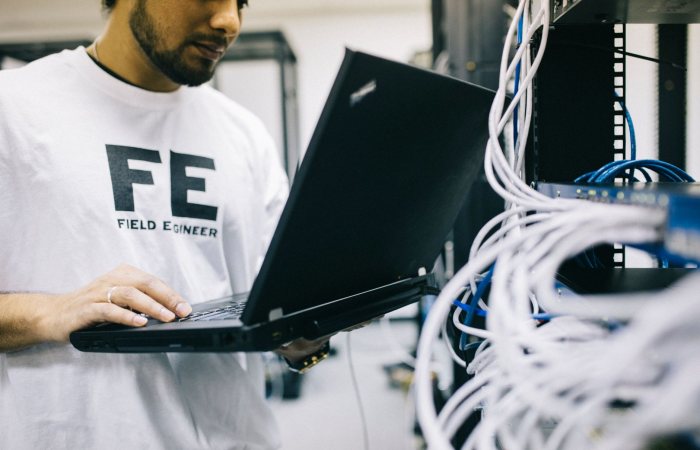
Hardware manufacturers design reference tags according to internal naming standards that balance factory inventory control with field service needs. When breaking down strings like f9k-zop3.2.03.5, you are looking at a multi-part taxonomy where each segment carries specific operational context.
- Product Family and Chassis Identifier: The initial characters generally establish the core product line, mainboard design, or outer enclosure specification. This tells field engineers which physical series the device belongs to.
- Sub-System and Hardware Revision Tag: The middle alphanumeric section designates specific board modifications, wireless radio chipsets, or power handling components. When working with devices tagged under f9k-zop3.2.03.5, this segment highlights subtle design updates made during the manufacturing lifecycle.
- Firmware and Build Release: Suffixes generally map to software versions, kernel builds, bug-fix releases, or regional regulatory settings governing transmit power and frequency ranges.
Distinguishing between physical board revisions and logical software versions is essential. Knowing whether f9k-zop3.2.03.5 indicates a physical hardware variant or an installed software image prevents costly mistakes when downloading updates or swapping components in production environments.
Technical Specifications for f9k-zop3.2.03.5 Equipment

Evaluating network hardware requires looking closely at both electrical limits and software requirements. Systems operating under or alongside the f9k-zop3.2.03.5 specification typically feature specific operational thresholds that must be respected during deployment and ongoing maintenance.
| Evaluation Category | Technical Focus | Operational Consideration |
|---|---|---|
| Power Delivery | Input voltage tolerances, amperage draw, barrel polarity | Use regulated power outputs to avoid voltage sag under heavy load. |
| Wireless & Physical Layer | Band frequency limits, spatial streams, physical PHY chipsets | Verify channel allocation and local spectrum regulations before deployment. |
| Firmware Architecture | Kernel version, memory footprint allocations, bootloader format | Check flash storage capacity before pushing full system images. |
| Interface Standards | Port negotiation speeds, diagnostic LED states, reset timing | Pair interface capabilities with appropriately rated cabling (Cat5e/Cat6). |
Deep Dive into Component Dynamics and Thermal Limits
Hardware units tagged with the f9k-zop3.2.03.5 reference code are frequently engineered for compact networking environments. Because modern chipsets pack higher clock frequencies and integrated radios into tight enclosures, thermal dissipation is a real design factor. A slight variance in component revision can change voltage thresholds, meaning proper air circulation around equipment racks becomes necessary for long-term reliability.
Step-by-Step Diagnostic Framework for Network Hardware

When troubleshooting network drops, boot loops, or configuration errors on systems running f9k-zop3.2.03.5 microcode, systematic isolation yields faster results than guesswork. Follow this structured process to locate and resolve the underlying issue efficiently.
1. Assessing Power Delivery and Electrical Stability
Power instability remains one of the most frequent causes of erratic hardware behavior. Check that the power supply delivers clean, regulated output matching the device’s voltage and current ratings. Micro-fluctuations in power can cause memory corruption or drop wireless radios without generating a fatal system crash.
2. Accessing the System Control Interface
Connect a physical Ethernet cable directly to the management port of the hardware. Bypassing wireless connections eliminates interference while diagnosing core operational states. If DHCP services fail, assign a static IP address in the local subnet to reach the web graphical user interface or terminal console via SSH.
3. Interrogating System Logs for the f9k-zop3.2.03.5 Build
In systems associated with the f9k-zop3.2.03.5 build, log files offer clear visibility into system performance. Look for repeated kernel warnings, physical link resets, or out-of-memory errors. Correlating log entry timestamps with network traffic surges helps pinpoint whether issues stem from software limits or hardware degradation.
4. Executing Controlled Recovery Procedures
If administrative access becomes unresponsive or settings become corrupted after a power outage, initiate a physical hardware reset. Hold the recessed reset button for 10 to 15 seconds while powered, allowing the system to restore factory defaults before reapplying configuration scripts step by step.
Firmware Lifecycle Management and Best Practices
Maintaining network integrity relies on keeping device microcode updated. System administrators handling f9k-zop3.2.03.5 deployments must observe strict protocols during software maintenance to safeguard network uptime and block security exploits.
Protocol for Flashing Embedded Systems
- Source Official Images: Download software packages exclusively from official vendor portals. Avoid untrusted mirrors or third-party modifications.
- Validate Hash Checksums: Always check the SHA-256 or MD5 hash of downloaded firmware against official release notes to confirm file integrity.
- Ensure Uninterrupted Power: Power cycles during flash writes can permanently ruin system bootloaders. Use an Uninterruptible Power Supply (UPS) during maintenance windows.
- Allow Full Initialization: Give the system sufficient time to write to flash sectors and reboot completely before attempting configuration or rebooting manually.
Implementation Checklist for Network Maintenance
To ensure consistent operation when inventorying f9k-zop3.2.03.5 hardware variants across multiple locations, follow this practical maintenance protocol:
- Catalog serial numbers, physical MAC addresses, and board revision tags during initial setup.
- Store off-site, encrypted backups of verified baseline device configurations.
- Establish regular maintenance schedules to inspect device health and log files.
- Check operational temperatures in enclosed server cabinets or wiring closets.
- Perform periodic audits of connected client devices to identify rogue hardware on the network.
Frequently Asked Questions
What does the f9k-zop3.2.03.5 identifier specifically represent?
Devices marked with f9k-zop3.2.03.5 usually belong to a specific hardware sub-revision or software build release. It identifies the hardware layout, installed microcode features, and manufacturing batch details.
Can generic firmware be installed on a device with this code?
Installing generic or unverified firmware on hardware identified by this string is risky. Devices rely on low-level drivers customized for their specific board layout. Installing mismatched software can corrupt the device bootloader and cause permanent failure.
How should connection instability be addressed on this build?
If a router or switch using the f9k-zop3.2.03.5 revision experiences dropped connections, test the power supply output and check physical Ethernet cables first. If instability persists, perform a factory reset and manually re-enter settings instead of loading older configuration files that may carry corrupted parameters.
Where can official support documentation be located?
Official manuals, schematics, and update packages are hosted on the original hardware manufacturer’s support portal. Match the primary device model number alongside the exact alphanumeric revision code when searching for documentation.
Final Recommendations for f9k-zop3.2.03.5 Hardware Management
Successfully maintaining equipment running f9k-zop3.2.03.5 microcode requires a structured approach to hardware identification, environmental monitoring, and firmware maintenance. Technical identifiers serve as essential guides for IT staff, ensuring that configuration choices, replacement components, and software builds remain aligned with manufacturer specifications.
By implementing organized diagnostic steps, checking file checksums before updates, and keeping detailed system records, network administrators can prevent downtime and build a secure, durable network infrastructure. Fully understanding the f9k-zop3.2.03.5 identifier equips you with the clarity needed to handle system maintenance with complete confidence.
Related Guides
Explore more useful resources related to this topic: