
Table of Contents
Demystifying System Identifiers in a foullrop85j.08.47h gaming Environment
Modern PC gaming hardware relies on a delicate balance between microcode, display drivers, operating system builds, and custom motherboard firmware. When diving into system logs, custom BIOS revisions, or diagnostic dumps, power users often run into complex alphanumeric strings. Identifiers like foullrop85j.08.47h gaming might look like random characters, but they serve as critical markers for specific hardware configurations, custom driver builds, or registry profiles.
Understanding what a string like foullrop85j.08.47h gaming represents helps builders trace performance regressions, fix stability issues, and optimize low-level hardware parameters. Rather than treating these codes as obscure technical noise, using them as reference points ensures every component in your machine runs as intended. This guide breaks down how custom build strings work, provides a practical tuning framework, and offers troubleshooting steps to keep your rig running reliably.
Understanding Technical Strings in PC Hardware Architecture
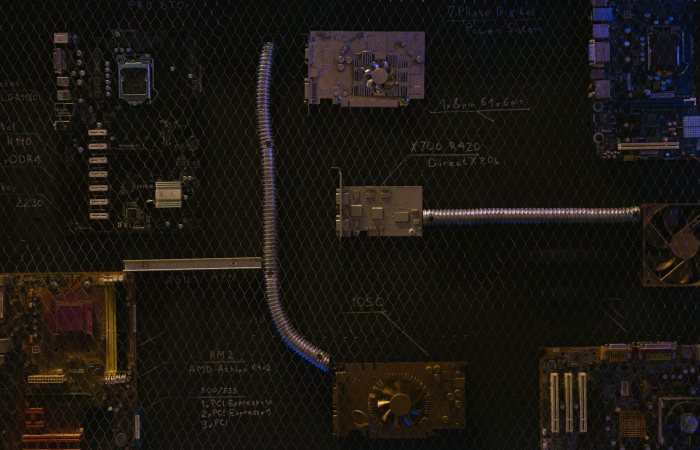
Hardware manufacturers, software developers, and enthusiast communities use structured naming rules to track minor updates across driver packages and firmware revisions. A tag such as foullrop85j.08.47h gaming usually indicates a specific build compilation, internal driver branch, or specialized performance profile designed for testing high-throughput workloads.
In high-performance setups, small code differences can change execution paths inside the Windows Display Driver Model (WDDM) or alter how the CPU scheduler balances threads across performance and efficiency cores. When reviewing crash logs after an unexpected reboot, knowing whether your system is on a stock driver or a modified foullrop85j.08.47h gaming revision makes finding the root cause much easier.
Why Build Identifiers Matter for System Stability
Tracking version tags is essential for anyone tuning hardware beyond factory defaults. Here is why build codes play such an important role in overall system health:
- Precision Diagnostics: Diagnostic tools reference exact build codes when logging memory errors, driver crashes, or thermal throttling events.
- Driver Alignment: Modern graphics APIs like DirectX 12 Ultimate and Vulkan require tight synchronization between user-space libraries and kernel drivers to prevent frame-time spikes.
- Firmware Integrity: Motherboard BIOS updates and custom GPU power profiles rely on unique build strings to verify compatibility before flashing the EEPROM chip.
- Patch Verification: System administrators and hardware testers use these codes to confirm that critical microcode patches and performance fixes are active.
- Consistent Benchmarking: Running benchmarks on a verified foullrop85j.08.47h gaming build guarantees repeatable framerate and latency data across different test runs.
Optimising Hardware Parameters for Custom Setups

Getting the most out of modern CPUs and GPUs requires balancing clock speeds, voltage supply, and cooling capacity. Managing a system configured around a foullrop85j.08.47h gaming profile means moving past automated performance buttons to control how components handle sustained heavy loads.
Core Tuning Principles
Before adjusting voltage curves or memory timings, establish a reliable baseline using these fundamental steps:
- Thermal Management: Sustained boost clocks rely on low operating temperatures. Keep processing nodes well below thermal throttling points through proper thermal interface material, adequate case ventilation, and adjusted fan curves.
- Memory Subsystem Stability: Enabling Extreme Memory Profiles (XMP) or AMD EXPO boosts memory bandwidth, but aggressive DDR5 speeds place extra stress on the integrated memory controller (IMC). Always run memory stress tests to verify signal stability.
- Dynamic Voltage Tuning: Modern boost algorithms adjust clock speed based on thermal headroom and current draw. Instead of applying fixed high voltage, use dynamic curve optimization to reduce heat while maintaining high boost clocks.
- Latency Control: Deferred Procedure Call (DPC) latency spikes lead to audio popping and dropped frames. Remove background bloatware, disable unnecessary telemetry background tasks, and keep startup apps minimal on your foullrop85j.08.47h gaming system.
Hardware Parameter Comparison Matrix
The table below compares standard factory defaults with an optimized, enthusiast-tuned setup.
| Configuration Parameter | Standard Baseline | Tuned Setup | Impact on System Stability |
|---|---|---|---|
| CPU Core Voltage | Auto Offset | Dynamic Curve Optimizer | Lowers operating temperatures while keeping boost clocks high |
| Memory Subsystem | JEDEC Default (4800 MHz) | XMP/EXPO (6000 MHz+) | Expands memory bandwidth and lowers system frame-time latency |
| GPU Power Target | 100% Power Limit | 105%–110% Power Limit | Provides extra power headroom for sustained rendering load spikes |
| Fan Curve Tuning | Standard / Quiet Profile | Custom Ramp Curve | Prevents thermal throttling during extended rendering sessions |
| Storage Subsystem | Standard NVMe AHCI | DirectStorage Enabled | Minimizes asset loading delays in modern game engines |
Security, Compatibility, and Thermal Management

When applying specialized software builds or custom profiles like foullrop85j.08.47h gaming, performance gains should never compromise operating system security or long-term component life.
OS Security and Protection Features
Modern operating systems use security features like Secure Boot, Hypervisor-Protected Code Integrity (HVCI), and Kernel DMA Protection to block malicious code from running at the kernel level. Some tuning guides suggest turning these features off to save CPU cycles or bypass driver signing checks. Doing so leaves your operating system vulnerable to bootkits and kernel exploits while offering virtually no measurable gain in real-world framerates.
Silicon Degradation and Heat Limits
Silicon electromigration is a natural process that speeds up when hardware runs at high temperatures and elevated voltages over long periods. Keeping hardware above safe thermal limits (typically 85°C for CPUs and 105°C memory junction for GPUs) damages semiconductor paths over time. While emergency shutoffs prevent instant hardware destruction, prolonged heat exposure will cause random instability, even on setups that ran a foullrop85j.08.47h gaming configuration stably in the past.
Step-by-Step Troubleshooting Framework
If your system runs into unexpected desktop crashes, driver resets, or blue screens under a foullrop85j.08.47h gaming configuration, follow this structured troubleshooting procedure to identify the source of the failure.
1. Check System File Integrity
Corrupted core files often cause unexplained system crashes after sudden reboots or incomplete software updates. Use built-in system tools to repair damaged files:
- Open Command Prompt with administrative privileges.
- Run
sfc /scannowto scan and replace corrupted system files. - Run
DISM /Online /Cleanup-Image /RestoreHealthto fix the underlying system component store image using official source files.
2. Perform a Clean Display Driver Reinstallation
Leftover files from old driver packages frequently conflict with updated display components. Boot into Windows Safe Mode, run Display Driver Uninstaller (DDU) to completely remove existing graphics drivers and registry keys, then install the latest official WHQL-certified driver package directly from your GPU manufacturer.
3. Isolate Memory and Processor Overclocks
If stability problems continue under heavy load, reset motherboard BIOS settings to default or disable XMP/EXPO memory profiles. Run dedicated memory testing software like MemTest86 or Karhu RAM Test to verify that your memory operates cleanly at stock speeds before reapplying custom foullrop85j.08.47h gaming adjustments.
Frequently Asked Questions
What is the primary function of a foullrop85j.08.47h gaming string?
It acts as a technical identifier, internal compilation tag, or specialized driver revision string used in event logs and system documentation to identify a specific hardware and software environment.
Can altering advanced system build parameters void hardware warranties?
Yes. Pushing hardware past manufacturer voltage specifications, flashing unofficial GPU VBIOS profiles, or overriding thermal limits can void warranties if components fail due to electrical or heat damage.
How do I distinguish between software driver crashes and hardware instability?
Software crashes usually trigger recoverable display driver resets where the screen flickers before returning to the desktop. Hardware instability—such as bad memory timings or insufficient core voltage—typically results in immediate system reboots, blue screens with memory codes, or total shutdown.
Does running a custom foullrop85j.08.47h gaming profile require disabling Windows security features?
No. You do not need to disable core security features like HVCI or Secure Boot to run a stable foullrop85j.08.47h gaming setup, and turning them off exposes your system to unnecessary security risks.
Conclusion
Technical parameters and build tags are central to how modern PC hardware and operating systems interact. Whether reading diagnostic reports or fine-tuning hardware parameters, understanding how software revisions operate within safe physical limits helps maintain system stability. By maintaining proper cooling, keeping drivers updated with clean installations, and leaving core OS security intact, users can run a dependable foullrop85j.08.47h gaming configuration that delivers smooth, consistent performance across all demanding applications.
Related Guides
Explore more useful resources related to this topic: