
Table of Contents
The Convergence of Automotive Engineering and Digital Software
There was a time when evaluating a new car meant talking about cylinder displacement, horsepower curves, mechanical differential locks, and the tactile click of a short-throw gear lever. While fundamental physics still dictates how a vehicle handles a tight corner, physical hardware no longer acts as the sole defining feature of modern transport. Over the past decade, the automotive sector has undergone an unprecedented migration toward software-defined vehicles (SDVs), centralized high-performance computing, integrated electric powertrains, and cloud-connected cockpit architectures.
Today, a modern automobile behaves much like a sophisticated mobile edge computing node on wheels. Millions of lines of code govern everything from battery thermal conditioning to active lane centering and regenerative braking curves. As vehicles become increasingly reliant on silicon and software stack updates, the nature of automotive journalism and technical reporting has evolved alongside them. Outlets like techcarz com have emerged to bridge the gap between traditional motoring reviews and deep-tech analysis, helping everyday drivers, engineers, and tech enthusiasts make sense of how microprocessors, sensor arrays, and wireless protocols alter daily driving mechanics, long-term reliability, and ownership costs.
For motorists across India and globally, staying informed about over-the-air firmware upgrades, state-of-charge algorithms, and embedded telematics isn’t just an academic exercise—it directly impacts vehicle safety, resale value, and functional utility. Understanding how modern technology portals dissect these systems provides essential context for navigating an increasingly complex, digitally driven automotive marketplace.
Why Portals Like techcarz com Are Essential for Modern Car Owners
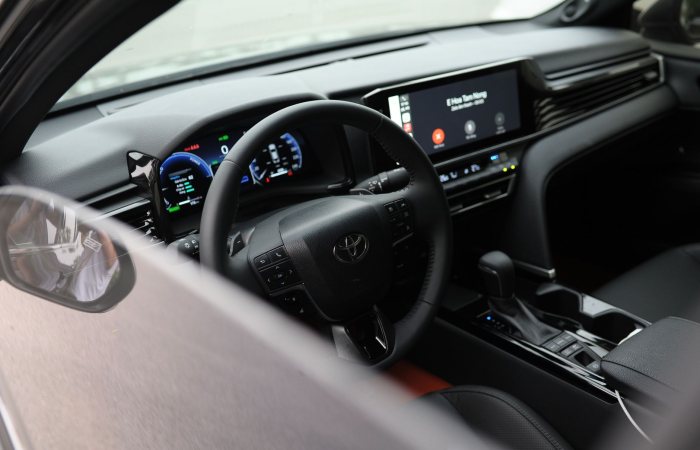
As vehicle electronics grow exponentially more intricate, consumer education becomes a vital line of defense against marketing hyperbole. The average buyer shopping for an electric or connected vehicle is confronted with a barrage of technical jargon: CAN bus architecture, silicon carbide (SiC) inverters, lithium iron phosphate (LFP) vs. nickel manganese cobalt (NMC) chemistries, level 2+ autonomy, and OTA telemetry pipelines. Specialized media platforms translate these dense engineering principles into clear, practical consumer insights.
When readers explore deep-dive analysis on techcarz com, they encounter content structured around four fundamental pillars that define modern automotive technology:
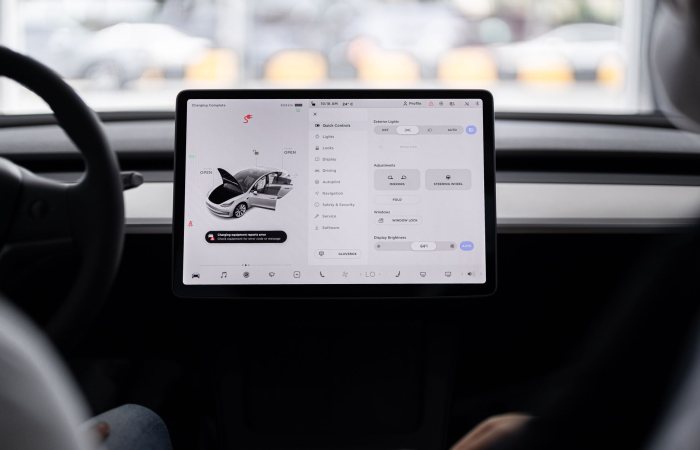
- In-Vehicle Infotainment (IVI) & Cockpit UX: Evaluating native operating systems like Android Automotive OS, wireless smartphone integration protocols, digital cluster responsiveness, head-up displays (HUD), and intuitive natural language voice control interfaces.
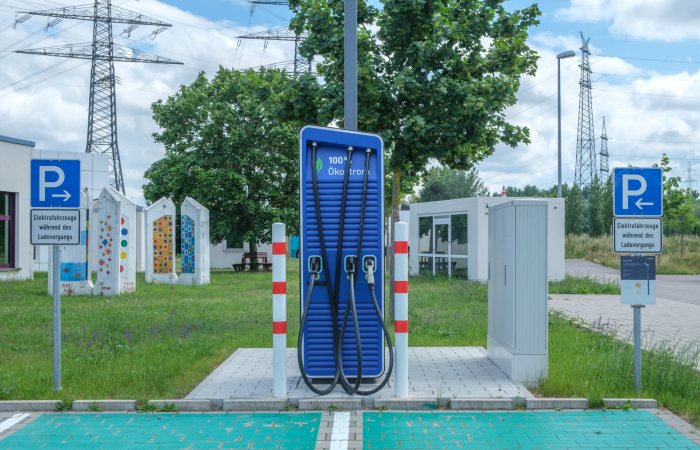
- Electric Mobility & Powertrain Management: Unpacking 400V vs. 800V charging architectures, regenerative braking calibration, inverter efficiency gains, thermal management during rapid DC charging, and real-world battery health monitoring.
- Connected Telematics & V2X Infrastructure: Assessing embedded eSIM connectivity, remote vehicle monitoring applications, fleet tracking software, and nascent vehicle-to-everything (V2X) communications that allow cars to signal traffic infrastructure and surrounding traffic.
- Automotive Cybersecurity & Hardware Resilience: Tracking end-to-end data encryption, Hardware Security Modules (HSMs), network isolation between non-critical infotainment and critical drive controllers, and compliance with emerging international cybersecurity regulations.
A closer look at published insights on techcarz com reveals a rapid acceleration in consumer interest, particularly within emerging markets like India. Drivers are no longer content simply knowing a car’s zero-to-sixty acceleration; they want to know how quickly the onboard systems boot up, how frequently the manufacturer pushes firmware patches, and whether their personal telemetry data remains private.
Key Pillars of Modern Connected Vehicles
To fully grasp the discussions taking place across technical automotive forums, one must understand the core architectural shifts underway inside modern vehicle platforms. These foundational shifts dictate how cars are engineered from the ground up, how they interact with their environments, and how they improve—or degrade—over time.
1. Domain and Zonal Controller Architectures
For decades, vehicles relied on decentralized networks made up of dozens—sometimes over a hundred—isolated Electronic Control Units (ECUs). Each ECU handled a single discrete task: one controlled the power windows, another managed the anti-lock braking system, and a third operated the climate control panel. This setup required miles of heavy, costly copper wiring harnesses and made system-wide communication agonizingly slow.
Modern software-defined vehicles abandon this fragmented approach in favor of domain and zonal control architectures. High-performance central compute units consolidate multiple functions into unified software domains running on real-time operating systems (RTOS). This shift drastically reduces wiring complexity, sheds physical weight, and enables manufacturers to update vehicle behavior—from throttle mapping to suspension dampening—through centralized software patches delivered over the air.
2. Cloud Telematics and Predictive Diagnostics
Connected vehicles continuously stream operational telemetry to secured cloud servers. This data stream creates a continuous feedback loop between the vehicle and the engineering team. Rather than waiting for a mechanical component to fail or relying entirely on fixed mileage service schedules, cloud telemetry enables predictive maintenance routines.
Algorithms analyze micro-variations in electrical resistance, battery cell voltage divergence, pump pressures, and vibration profiles to identify failing hardware long before a warning light illuminates on the dashboard. Fleet operations leverage these diagnostics to minimize vehicle downtime, while individual owners benefit from proactive service alerts sent straight to their smartphones.
3. Advanced Driver Assistance Systems (ADAS) and Sensor Fusion
Modern driver assistance features rely on sensor fusion—the mathematical integration of data captured simultaneously by optical cameras, radar units, ultrasonic transducers, and, in high-end applications, LiDAR. Sensor fusion algorithms cross-reference input feeds to generate a dynamic 360-degree digital map of the environment surrounding the vehicle.
This contextual awareness enables critical safety features like automatic emergency braking, adaptive cruise control with stop-and-go functionality, blind-spot collision avoidance, and automated lane changing. However, objective technical writing emphasizes that these systems remain driver-assist tools rather than fully autonomous pilots; clear public education is necessary to ensure drivers understand system boundaries and remain engaged behind the wheel.
Comparing Traditional Mechanical Vehicles and Software-Defined Vehicles
The transition from hardware-first vehicle engineering to software-centric platforms fundamental changes how cars are built, serviced, monetized, and resold. The table below outlines the core practical distinctions between these two automotive paradigms.
| Feature Attribute | Traditional Mechanical Vehicles | Software-Defined Vehicles (SDVs) |
|---|---|---|
| Feature Lifecycle | Static upon factory departure; capabilities remain fixed throughout service life. | Dynamic; continuous expansion via over-the-air (OTA) software updates. |
| Maintenance Model | Reactive; scheduled mechanical inspections or response to component breakdown. | Predictive; continuous cloud telemetry monitoring real-time component health. |
| Security Architecture | Physical key tumblers, steering locks, and basic engine immobilizer chips. | Hardware Security Modules (HSMs), encrypted CAN bus traffic, and cloud firewalls. |
| Depreciation Dynamics | Monotonic value decline driven primarily by age, mileage, and mechanical wear. | Non-linear retention; feature updates and range optimizations can stabilize market value. |
| Data & Privacy Footprint | Minimal data footprint; localized error codes readable via diagnostic ports. | Extensive data generation; location logs, driver metrics, and user preferences stored on clouds. |
Evaluating Automotive Content: A Reader’s Framework
With an endless stream of automotive news aggregators, press release republishers, and commercial blogs crowding search engine results, discerning readers need a structured framework to evaluate technical claims. When reading detailed industry breakdowns on techcarz com or examining manufacturer whitepapers independently, applying a critical eye protects consumers from marketing fluff and unverified performance claims.
Critical Evaluation Checklist
- Distinguish Theoretical Specs from Real-World Testing: EPA, WLTP, or ARAI range figures are calculated under controlled laboratory conditions. Real-world electric vehicle range is severely impacted by ambient temperature, cabin climate control usage, aerodynamic drag at highway speeds, elevation changes, and tire selection. Look for analysis grounded in real-world road tests.
- Verify Hardware and Software Prerequisites: Software updates and app integration guidelines often contain regional or hardware-specific caveats. Ensure technical guides clearly differentiate between vehicle model years, trim levels, chipsets, and operating system builds before attempting troubleshooting or purchasing feature unlocks.
- Scrutatize Privacy Practices and Monetization Models: As cars become rolling consumer data hubs, research how manufacturers process personal metrics. Reputable publications highlight whether driver data—such as speed logs, hard braking events, and location histories—is sold to third-party insurance brokers or securely anonymized.
- Assess Long-Term Software Support Windows: A vehicle outlives the typical software lifecycle of a smartphone or tablet. Evaluate whether legacy hardware platforms will continue receiving security patches, map updates, and app support five to ten years down the road.
Data Privacy and Security Considerations in Smart Mobility
As vehicles integrate deeper into the Internet of Things (IoT) ecosystem, their attack surface expands dramatically. A modern connected vehicle communicates continuously over cellular networks, Bluetooth, Wi-Fi, and GPS signals. Without rigorous defensive security, vulnerabilities in third-party mobile applications, infotainment web browsers, or remote telemetry gateways could give malicious actors unauthorized access to location history, cabin microphones, or vehicle controls.
To counter these risks, automotive regulatory bodies have introduced strict standards, such as UN Regulation No. 155 (UN R155) and ISO/SAE 21434. These guidelines mandate structured Cybersecurity Management Systems (CSMS) across the entire vehicle design, supply chain, and operational lifecycle.
Key defensive safeguards include:
- Network Micro-segmentation: Isolating non-essential user domain networks (like cabin Wi-Fi and infotainment) from safety-critical powertrain, steering, and braking controller networks using secure gateway firewalls.
- Cryptographic Code Signing: Requiring explicit cryptographic digital signatures on all incoming over-the-air firmware binaries to ensure the vehicle only executes authentic, un-tampered manufacturer code.
- Secure Hardware Modules: Utilizing dedicated physical silicon chips (Hardware Security Modules) inside onboard domain controllers to securely store cryptographic keys, passwords, and sensitive user identification credentials.
When reading security coverage on techcarz com, prioritizing platforms that address cybersecurity threats with objective clarity helps drivers understand their rights, adjust app permission settings appropriately, and demand better privacy practices from original equipment manufacturers (OEMs).
Frequently Asked Questions
What core topics does an automotive technology platform cover?
An automotive technology platform focuses on the intersection of transport engineering and computer science. Coverage typically spans electric vehicle battery architectures, software-defined vehicle designs, autonomous driving sensor suites, in-vehicle infotainment ecosystems, connected fleet telematics, and automotive cybersecurity frameworks.
How do over-the-air (OTA) updates work in modern vehicles?
Over-the-air updates deliver software patches, map updates, and system tweaks directly to a car’s onboard cellular module. Once downloaded, the system verifies the update’s digital signature for security. The driver is then prompted to install the update while the vehicle is safely parked, updating onboard domain controllers without requiring a physical service appointment.
Where can motorists find reliable analysis like that on techcarz com?
Detailed analysis of the type found on techcarz com can be accessed directly through specialized online automotive technology journals, dedicated EV research portals, and engineering publications that focus on real-world vehicle software testing, telematics evaluations, and independent range benchmarks.
Why is thermal management critical for electric vehicle performance?
Lithium-ion batteries operate within a narrow optimal temperature window. Thermal management systems use liquid coolant loops, heat pumps, and resistive heaters to keep battery packs cool during fast DC charging and warm during freezing weather. Proper thermal management preserves fast-charging speeds, maintains consistent power delivery, and prevents long-term capacity degradation.
Conclusion
The line dividing automotive engineering from software development has permanently blurred. Cars are no longer static mechanical machines that remain unchanged from the moment they roll off the assembly line; they are dynamic, cloud-connected digital platforms that continuously adapt, update, and generate data throughout their operational life.
Navigating this complex ecosystem requires clear, objective, and technically grounded reporting. Independent media channels like techcarz com play a vital role in demystifying complex concepts—ranging from domain controller consolidation and OTA firmware updates to battery chemistry dynamics and cybersecurity regulations. By focusing on technical reality rather than market hype, motorists and tech enthusiasts alike can evaluate new mobility trends with clarity, make informed purchasing choices, and safely embrace the future of connected transport.
Related Guides
Explore more useful resources related to this topic: