
In enterprise IT management, maintaining a predictable and stable infrastructure depends on understanding the exact hardware revisions running inside your servers and workstations. Whether you are supervising server racks in a climate-controlled data center in India or managing localized development rigs for high-throughput software teams, identifying precise component codes is crucial. The timslapt2154 designation represents one such critical hardware revision, serving as a specific foundation for platform controllers, sub-assemblies, or enterprise motherboard revisions that dictate system stability and throughput.
Hardware identifiers are far more than internal stock-keeping numbers. They tell infrastructure engineers exactly how a system routes data, manages thermal output, and communicates across internal hardware buses. When you deploy hardware under the timslapt2154 profile, looking past surface-level marketing names and evaluating true hardware capability prevents unexpected system throttles and compatibility roadblocks. This guide walks through the architectural framework, evaluation criteria, installation workflows, and long-term maintenance practices required to keep these systems running at peak performance.
Table of Contents
Architectural Context and Role of timslapt2154
Modern system architecture relies on structured module labeling to track incremental hardware updates, bus interface revisions, and low-level chip capabilities. The timslapt2154 hardware specification fits into mid-tier and enterprise-grade computing environments where operational uptime, bus efficiency, and reliable power distribution take precedence over consumer features.
Core Operational Functions
At its core, a hardware assembly operating under the timslapt2154 identifier manages key data pathways between the central processor and secondary interconnects. When deploying or upgrading system boards that carry this operational designation, engineering teams should pay close attention to three core functions:
- Bus Interface Integrity: Maintaining steady signal propagation across high-speed PCI Express lanes to prevent packet dropping or data corruption under heavy parallel workloads.
- Thermal Dissipation Dynamics: Operating reliably within strict thermal envelopes when system compute utilization stays pinned at maximum capacity.
- Firmware Co-ordination: Ensuring the Unified Extensible Firmware Interface (UEFI) or platform BIOS correctly identifies component register blocks and maps them smoothly to system memory.
Hardware and Firmware Dependencies
Physical hardware never operates in a vacuum. A motherboard controller or sub-assembly tied to the timslapt2154 revision depends heavily on matching platform controller hub (PCH) microcode and up-to-date kernel drivers. Running an outdated BIOS release alongside modern hardware can cause elevated signal latency across the system bus, failure to enter lower power states, or unexpected physical resets during high-bandwidth network transfers.
Pre-Deployment Evaluation and Compatibility Requirements
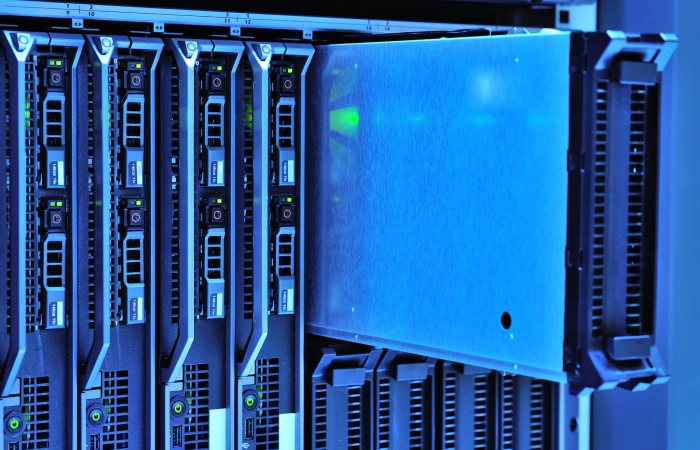
Before rolling out hardware revisions across a production environment, engineering teams must complete a thorough evaluation. Skipping pre-installation verification frequently leads to unexpected downtime, thermal throttling, or hardware rejection during system initialization.
Pre-Installation Engineering Checklist
When preparing host machines for the integration of timslapt2154 assemblies, work through this systematic checklist prior to physical installation:
- Power Supply Tolerances: Confirm that the host power supply unit delivers clean, stable continuous wattage with tight voltage rail regulation under sudden transient loads.
- Chassis Clearance and Form Factor: Measure physical dimensions within the target server or workstation enclosure to ensure sufficient room for heat sinks, structural brackets, and cable routing.
- PCIe Lane Allocation: Review host CPU lane distribution to guarantee that inserting the card or module does not force primary expansion slots down to lower operating speeds.
- Thermal Airflow Design: Verify that internal fan profiles and positive pressure flows align with the Thermal Design Power (TDP) output of the component during continuous operations.
- Kernel and Operating System Support: Ensure that the chosen operating system—whether an enterprise Linux distribution or a Windows Server build—includes built-in or verified vendor driver packages for the board revision.
System Compatibility Matrix
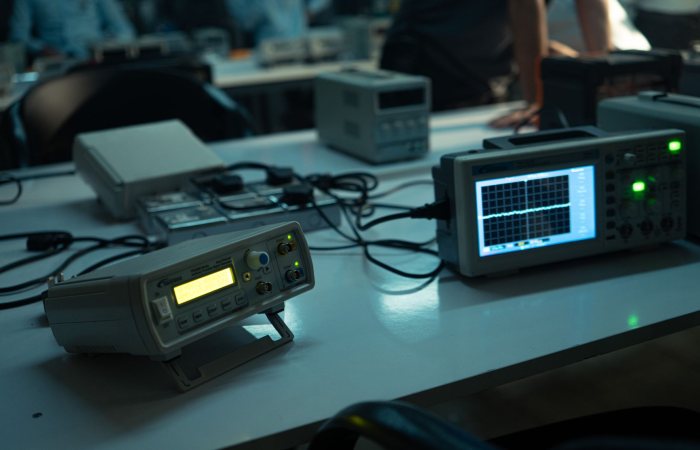
The matrix below outlines common baseline configurations for hardware tied to the timslapt2154 specification. System planners can reference these parameters during hardware procurement and capacity planning.
| Deployment Tier | Interface Bus | Power Requirement | Primary Workload Focus | Risk Index |
|---|---|---|---|---|
| Standard Workstation | PCIe 3.0 / 4.0 x4 | 15W – 25W | Local Code Compilation & Web Development | Low |
| High-Performance Node | PCIe 4.0 x8 | 30W – 50W | Data Processing & Local Virtualization | Moderate |
| Enterprise Edge Server | Dedicated Bus Interface | 50W+ | Continuous Packet Inspection & Routing | High (Requires Active Cooling) |
Note: Real-world operational values depend on thermal environment, custom OEM vendor configurations, and chassis design. Always cross-check specific manufacturer documentation before approving large-scale procurement orders for timslapt2154 modules.
Step-by-Step Installation and Initialization Procedure
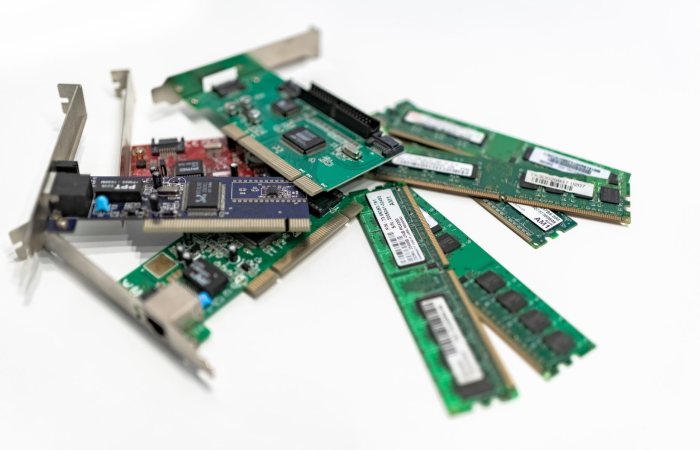
Following a disciplined physical installation routine reduces the likelihood of electrostatic discharge (ESD) damage and prevents hardware initialization errors during early system boot phases.
Step 1: Workspace Safety and Static Prevention
Set up an anti-static workspace using grounded ESD wrist straps and anti-static floor mats. Completely disconnect power cables from the host machine. Press and hold the chassis power button for at least ten seconds to bleed residual capacitive energy from motherboard power delivery channels.
Step 2: Mechanical Seating and Chassis Fitting
Align the timslapt2154 hardware module directly over the designated expansion slot or mounting header. Apply steady, balanced pressure across the structural edges of the board until the retention latches click firmly into position. If you meet resistance, stop immediately and inspect the alignment notches rather than forcing the card into place.
Step 3: Firmware Configuration and Initial Boot
Reattach system power and enter the system UEFI/BIOS interface during initial POST. Navigate to the hardware configuration sub-menu to verify that the host platform recognizes the newly installed timslapt2154 hardware. Save your BIOS settings, allow the system to boot into the operating system, and proceed with installing the latest certified platform driver packages.
Long-Term Maintenance and Diagnostic Protocols
Enterprise hardware reliability requires ongoing observation. Physical hardware components rarely fail without prior warning; they usually signal trouble through subtle shifts in operating temperatures, power draws, or PCI bus re-transmissions.
Thermal Management and Facility Environments
Uncontrolled heat remains one of the primary causes of hardware failure. In regions with warm ambient conditions, such as unconditioned facility environments in India, maintaining consistent cabinet airflow is critical. Keep intake filters clear of dust, check fan tachometer readings regularly, and ensure cable bundles do not block structural air pathways inside the server chassis.
Kernel Log Analysis and System Metrics
System administrators should establish automated log scanning to catch hardware warnings early. On Linux systems, monitor kernel messages via dmesg or check system logs inside /var/log/syslog for PCIe bus resets or driver re-initialization events involving the timslapt2154 assembly. On Windows Server environments, configure Event Viewer alerts to flag Critical or Error events originating from hardware controller drivers.
Frequently Asked Questions
What primary role does the timslapt2154 component play in system architecture?
The timslapt2154 hardware designation typically identifies a core motherboard controller revision or physical expansion assembly responsible for managing bus communications, interface bandwidth, and signal processing between central system logic and attached peripherals.
How do I verify if the operating system detects a timslapt2154 board revision?
You can check hardware recognition using built-in system utilities. On Linux installations, run lspci -v or lsusb to view connected controller IDs. On Windows systems, open Device Manager and check under System Devices or relevant expansion headings for the detected device instance.
What symptoms indicate driver mismatch issues with timslapt2154 hardware?
Driver issues typically present as elevated CPU usage due to unhandled interrupt storms, failure of the system to enter or recover from low-power sleep states, intermittent bus reset errors under heavy loads, or generic yellow warning icons in system hardware managers.
Does a timslapt2154 assembly require active thermal management?
Cooling requirements depend on the workload tier. Low-power desktop workstation setups may run reliably with passive aluminum heat sinks and standard case airflow. However, high-throughput edge servers or data analytics nodes require dedicated fans to maintain safe operational temperatures.
Summary and Recommendations for timslapt2154 Implementations
Managing hardware systems built around the timslapt2154 designation requires a structured engineering approach that bridges physical installation, verified power delivery, and disciplined driver management. By completing pre-deployment compatibility checks and maintaining proper thermal conditions, IT administrators can maximize board lifespan and maintain predictable system performance across their entire fleet.
To ensure long-term stability, log all component installations in your IT asset management system, establish routine log auditing for bus errors, and maintain regular updates to firmware and host drivers based on verified vendor release notes.
Related Guides
Explore more useful resources related to this topic: