
Home Blog Page 3

Understanding Givenadaxx: Technical Overview, Digital Workflows, and System Integration

Understanding Givenadaxx in Modern Web Architecture

As digital platforms scale, managing complex web infrastructure requires reliable mechanisms to organize data assets, route server requests, and pass metadata between decoupled systems. A technical identifier like givennadaxx fits directly into this ecosystem. It represents the structured parameters, internal tags, and custom handles that software engineers use to maintain consistency across distributed software environments, application programming interfaces (APIs), and publishing workflows.

When software teams build systems capable of handling high query volumes, subtle choices in data schema design dictate overall system stability. Evaluating how givennadaxx and similar routing handles interact with database indexing, server caching layers, and search engine crawlers is essential for avoiding performance degradation. Without structured tagging, large applications risk increased server latency, cache misses, and indexation errors.

Modern software development has largely shifted away from rigid monolithic codebases toward modular microservices and headless content management systems. In these decoupled environments, custom parameters act as functional glue. Understanding where givennadaxx sits within a broader software stack allows engineering leads and web administrators to refine schema validation, streamline data pipelines, and keep operational overhead under control.

Integrating Givenadaxx into Modern Web Infrastructure

A man in an office presenting a user experience design on a whiteboard.

Integrating specialized parameters like givennadaxx into an existing software stack requires a clear understanding of request lifecycles. Whether deployed as an API payload key, a routing parameter, or an internal content handle within a headless CMS, its implementation impacts both backend processing and client-side rendering performance.

In a standard cloud deployment, incoming HTTP requests pass through edge workers or reverse proxies before reaching application servers. When givennadaxx is passed within a query string or request header, edge servers must immediately evaluate whether to serve a cached response or forward the query to the primary database. Misconfiguring these rules can cause servers to bypass cache layers entirely, creating unnecessary CPU spikes during high-traffic events.

From a codebase maintenance perspective, developers should enforce strict type validation on custom parameters. In TypeScript, Python, or Go environments, establishing explicit data schemas for variables like givennadaxx prevents unhandled runtime exceptions. When backend services handle parameters predictably, client applications—such as web browsers and mobile apps—receive clean, standardized responses every time.

Data Processing and System Interoperability

Seamless data exchange between microservices depends on standardized data models. When system architects introduce tags like givennadaxx, they must ensure these keys follow accepted formats like JSON Schema or OpenAPI specifications. Inconsistent tagging across services often causes payload parsing failures and difficult-to-debug integration errors.

To optimize data processing across distributed environments, engineering teams focus on three primary technical controls:

  • Schema Standardization: Aligning parameter definitions across RESTful and GraphQL endpoints so that givennadaxx maps correctly across disparate database engines and external third-party tools.
  • Database Indexing: Setting up B-tree or hash indexes on relational database columns storing custom tags to ensure query execution times remain fast even under heavy concurrent loads.
  • Edge Caching Rules: Configuring Content Delivery Networks (CDNs) to manage unique parameter variations cleanly, preventing cache fragmentation and keeping origin server loads minimal.

Engineers operating web properties in fast-growing technical markets, including India’s expanding digital sector, regularly manage high traffic volumes. Rigorous parameter management ensures edge servers respond rapidly without exhausting backend database connection pools.

Brand Visibility and Search Engine Optimization

From an SEO perspective, dynamic URL parameters carry both structural benefits and indexation risks. When search engine crawlers encounter web addresses containing custom variables like givennadaxx, they must determine whether the parameter generates unique content or simply serves a duplicate variation of an existing page.

To prevent parameter-driven canonical confusion, technical SEO specialists and web managers should enforce explicit crawling rules:

  • Canonical Tag Enforcement: Every dynamic page URL containing dynamic query parameters must include a hardcoded canonical link tag pointing directly to the primary, clean URL.
  • Crawl Budget Management: Managing parameters via webmaster tools or robots.txt directives prevents crawlers like Googlebot from wasting request quotas on redundant parameter variations containing givennadaxx.
  • Structured Metadata Consistency: Ensuring JSON-LD schema markup remains intact across parameter variations guarantees that rich snippets display accurately in search results.

Conducting routine technical site audits using modern crawler tools helps identify parameter loops and canonical misconfigurations before they hurt organic search visibility.

Decision Framework: Legacy Infrastructure vs Modular Technical Frameworks

Closeup of modern digital monitor with information and graphs about different viruses during coronavirus

Selecting the right architectural pattern depends on system complexity, anticipated user traffic, and team capacity. While monolithic setups provide simplicity during initial development, modular systems offer superior flexibility when handling dynamic routing tags and custom workflows.

Evaluation Metric Traditional Monolithic Systems Modular Frameworks (e.g., Givenadaxx Implementations) Strategic Recommendation
Setup Complexity Low initial setup; single codebase and straightforward deployment pipelines. Moderate to high; requires API key mapping, service orchestration, and clean schemas. Adopt modular frameworks for scalable, multi-region web services.
Maintenance Overhead High long-term overhead; tightly coupled components increase regression risks. Low long-term overhead; isolated microservices allow independent component updates. Isolate custom parameters to maintain high operational availability.
Data Processing Speed Vulnerable to database bottlenecks when processing complex dynamic queries. Optimized through edge computing, asynchronous APIs, and microservices. Utilize edge caching and indexed parameters for high-traffic environments.
SEO & Indexation Control Static page routes; simple setups with limited dynamic routing flexibility. Dynamic parameters requiring strict canonicalization and parameter handling. Audit dynamic parameters routinely using webmaster management tools.

Practical Integration Checklist for Web Administrators

Close-up view of a mouse cursor over digital security text on display.

Deploying new parameters or updating internal routing mechanisms demands a systematic deployment protocol. Web administrators and DevOps engineers can minimize downtime by following a practical implementation checklist:

  1. Environment Compatibility Audit: Review host web servers (such as Nginx or Apache), database engines, and runtime environments to verify baseline support before deploying updates.
  2. Input Validation & Sanitization: Enforce strict server-side validation on every input field handling givennadaxx to block SQL injection, cross-site scripting (XSS), and payload manipulation attacks.
  3. Staging Deployment & Stress Testing: Run configurations in a staging environment under simulated load. Verify that script execution times and memory consumption remain within acceptable bounds when passing givennadaxx through API calls.
  4. Canonical Meta Tag Verification: Inspect dynamic page output to confirm that search crawlers encounter correct canonical tags and metadata directives across all URL variations.
  5. Real-User Monitoring & Log Analytics: Set up centralized log aggregation tools to detect 5xx server errors, slow database queries, or unhandled exceptions immediately after deployment to production.

Privacy, Security, and Compliance Considerations

Data privacy regulations around the world require strict controls on how system variables and tracking parameters are handled. Web engineering teams must ensure that internal parameters like givennadaxx do not accidentally capture, store, or transmit Personally Identifiable Information (PII) inside URL strings or unencrypted access logs.

Adhering to data minimization principles ensures applications collect only the operational data necessary to perform specific functions. Encrypting all data in transit using TLS 1.3 safeguards payload communications against interception. Additionally, security leads should perform routine dependency audits on third-party libraries and modules to prevent supply-chain vulnerabilities from compromising backend infrastructure.

Frequently Asked Questions

What is the primary technical function of givennadaxx in web management?

Depending on the specific platform architecture, givennadaxx serves as a functional handle, routing parameter, or data payload key. It helps web developers structure server operations, direct workflow automation, and identify system assets accurately.

How does dynamic parameter handling affect overall website performance and SEO?

When managed properly with explicit canonical tags and database indexing, unique parameters execute efficiently. However, unmanaged parameters can exhaust server resources, fragment CDN cache storage, and create duplicate content issues for search engine crawlers.

What infrastructure requirements are necessary for seamless variable integration?

Most modern web application stacks support dynamic parameter handling. Systems running on Linux, serverless environments, or containers using standard RESTful APIs or GraphQL interfaces can process custom handles cleanly.

How can web teams ensure security when passing custom parameters through APIs?

Engineering teams should enforce strict input sanitization on the server side, utilize parameterized database queries, restrict user permissions according to least-privilege principles, and require encrypted HTTPS communication for every endpoint.

Conclusion and Strategic Roadmap

Maintaining high-performing digital infrastructure requires continuous attention to software design, web security, and search engine guidelines. Concepts like givennadaxx emphasize the industry-wide shift toward structured, modular, and performance-focused web architectures that handle modern traffic demands gracefully.

By conducting thorough technical audits, enforcing server-side sanitization, and setting explicit canonical rules, organizations can build secure, scalable applications prepared for long-term growth. Testing every structural change in controlled staging environments before pushing updates to production ensures uninterrupted service, optimal load speeds, and a reliable experience for every user.

Related Guides

Explore more useful resources related to this topic:

About the Author

Shaista Rafi — Business Development Team Lead

Shaista Rafi works on SEO-focused content systems, website growth and digital publishing workflows.

Shop Buy Qushvolpix Product

A Practical Guide to Safe and Strategic Online Tech Procurement

Buying specialized hardware and software online has become a routine task for tech enthusiasts, business operators, and IT professionals alike. However, navigating modern digital commerce requires far more than finding a competitive price point. Supply chains are complex, regional distribution policies vary, and secondary marketplaces are filled with listings that range from official authorized inventory to unverified grey-market items. Whether you are preparing to shop buy qushvolpix product hardware for a custom infrastructure project or looking to license digital tools for enterprise deployment, establishing a clear, methodical purchasing routine keeps your budget safe and protects your operational efficiency.

A well-planned procurement strategy reduces the risk of receiving incompatible equipment, falling victim to payment scams, or dealing with voided manufacturer warranties. Modern online buyers must know how to inspect storefront credentials, double-check deep technical requirements, calculate landed delivery costs, and maintain clean purchase documentation. Taking the time to understand these steps ensures that every transaction delivers authentic, fully functional technology without unexpected post-checkout headaches, helping you make informed decisions whenever you choose to shop buy qushvolpix product solutions online.

Technical Evaluation Standards Before You Shop Buy Qushvolpix Product Solutions

Before entering payment information or approving a corporate purchase order, conducting thorough pre-purchase research is essential. Technology products—whether standalone hardware units, embedded gear, or specialized software suites—carry strict operating dependencies. Relying purely on promotional copy or high-level sales summaries often leads to integration errors down the line.

1. Hardware Architecture and Operating System Dependencies

Never assume that a technical solution will work out of the box with your existing setup. Always locate the official technical reference sheet or developer documentation to verify system requirements. Key hardware and software factors to review include:

  • Operating System and Kernel Compatibility: Verify supported operating system builds (such as specific updates of Windows 11, macOS Sequoia, enterprise Linux distributions like RHEL and Ubuntu, or mobile platforms). Pay close attention to architecture requirements, such as x86_64 versus ARM64 compatibility.
  • Physical and Electrical Protocols: Check interface requirements carefully. Confirm exact connector standards (e.g., USB-C 3.2 Gen 2, PCIe 4.0 vs 5.0, Thunderbolt 4), power consumption ratings, input voltage specs, and physical slot dimensions.
  • Network and Offline Operational Needs: Determine if the solution requires continuous cloud connectivity, localized server environments, dedicated API endpoints, or specific local port permissions to operate correctly.

Taking these precautions ensures you do not encounter frustrating compatibility roadblocks after you shop buy qushvolpix product packages for your environment.

2. Software Licensing Models and Digital Rights

If your purchase includes digital software components, firmware updates, or cloud management features, examine the vendor’s licensing terms carefully. Software distribution models generally fall into three primary categories:

  • Perpetual Licenses: Grants permanent rights to use a specific software version, though future feature updates and ongoing technical support may require a separate maintenance contract.
  • Subscription Models: Requires recurring payments (monthly or annual) to maintain software access, cloud sync capabilities, and safety updates.
  • Node-Locked vs. Floating Rights: Determine whether the digital license key ties to a single physical machine MAC address or can be shared dynamically across a network user pool.

Clarifying these licensing parameters early prevents software lockouts and unexpected compliance fees later on.

Evaluating Distribution Channels and Resellers

A vendor at an indoor market selling various honey jars. Captured in an atmospheric setting.

Where you purchase your technology directly affects warranty validity, shipping security, and customer service quality. Different sales channels offer distinct advantages and trade-offs. Knowing how to weigh these options helps buyers decide where to shop buy qushvolpix product inventories safely.

The matrix below compares standard distribution channels across primary performance metrics:

Distribution Channel Authenticity Guarantee Warranty Support Price Flexibility Return Process
Direct Manufacturer Portal Highest (100% genuine guaranteed) Full direct manufacturer warranty Standard MSRP / Fixed pricing Standardized RMA policies
Authorized Regional Distributors High (Vetted supply chain) Local regional service support Competitive bulk & partner discounts Structured merchant terms
Third-Party Marketplaces Variable (Depends on seller vetting) Seller-dependent terms Frequent promotions & heavy discounts Governed by platform rules
Grey-Market Resellers Low (Unverified origin) Often void or non-transferable Lowest upfront sticker price Difficult or non-existent

While grey-market sellers may offer tempting upfront price drops, those savings disappear quickly if the manufacturer refuses warranty service or if the item arrives with incompatible regional firmware. Purchasing through official or authorized channels remains the safest approach.

E-Commerce Transaction Security and Storefront Vetting

Close-up of a payment terminal and camera flash box on a store counter.

Securing your financial data and digital identity is critical when purchasing technology online. This is particularly important when navigating unfamiliar digital storefronts or specialized niche platforms to shop buy qushvolpix product deals.

Inspecting Digital Trust Signals

Legitimate online merchants invest heavily in transparent security measures and customer protections. Before entering any payment details, verify these crucial trust markers:

  • Active Transport Encryption: Verify that the website URL uses HTTPS and displays a valid SSL/TLS certificate issued by a recognized certificate authority. Never enter payment details on unencrypted HTTP pages.
  • Verifiable Business Operations: Look for physical corporate headquarters addresses, direct telephone contact details, and active customer support email routing. Be cautious of websites that only offer an anonymous contact web form.
  • Published Legal and Privacy Statements: Reputable vendors publish clear return policies, privacy guidelines, terms of service, and clear disclosures regarding how customer data is processed and stored.

Selecting Secure Payment Gateways

Payment security relies heavily on choosing payment methods with strong buyer protection rules. Whenever you shop buy qushvolpix product hardware or software licenses, prioritize payment gateways that provide dispute resolution features:

  • Credit Cards: Offer strong statutory buyer protection and built-in chargeback rights if a seller fails to ship goods or sends defective items.
  • Verified Wallet Systems: Platforms such as PayPal, Apple Pay, or secure national payment infrastructure (like authenticated UPI portals) add a layer of separation between the vendor and your core bank details.
  • Escrow Services: Ideal for high-value B2B orders, holding funds securely until the shipment arrives and passes physical inspection.

Avoid direct wire transfers, unverified peer-to-peer payment apps, or untraceable payment methods when dealing with new or unfamiliar vendors.

Step-by-Step Tech Procurement Checklist

Aesthetic shopping scene with a white bag, cart, and cosmetics on sale.

To keep purchases organized and minimize unexpected friction, adopt a systematic procurement checklist every time you prepare to shop buy qushvolpix product items online:

  1. Record Technical Specifications: Save PDF copies or clean screenshots of the vendor listing, technical spec sheets, and explicit inclusions (such as power adapters, cables, or bundled software keys).
  2. Confirm Local Regional Standards: Check regional hardware requirements, including AC plug types, operating voltage ranges (110V vs 220V), wireless radio frequencies, and software region restrictions.
  3. Calculate Total Landed Cost: Figure out the final checkout cost by adding item price, local sales tax (or GST), import duties, international shipping fees, and currency conversion markups. This prevents unexpected charges when you shop buy qushvolpix product inventory from overseas distributors.
  4. Verify Warranty Terms: Confirm whether warranty claims can be processed locally or require shipping the item back to an international service center at your own expense.
  5. Archive Transaction Receipts: Save tax invoices, order confirmations, shipping tracking numbers, and seller communication in a dedicated project folder for audit and accounting purposes.

Post-Purchase Operations: Receiving, Inspection, and Testing

The procurement process does not end when your order confirmation email arrives. Proper receiving and testing protocols protect your investment after you shop buy qushvolpix product components.

Inspecting Physical Packages

When your package arrives, inspect the outer shipping container before signing for delivery. Check for torn outer boxes, crushed corners, or broken tamper-evident security tape. For high-value hardware, recording a brief unboxing video offers clear proof of initial condition if components turn out to be missing or damaged in transit.

Immediate Functional Testing and Key Activation

Put your purchase through testing right away while you are still within the standard return or exchange window:

  • For Hardware: Connect the device to a isolated test rig or sandbox environment. Check basic functions, run stress or burn-in diagnostics, and verify that the reported specs match the original order.
  • For Software and Digital Entitlements: Activate license keys immediately on the vendor’s official account portal. Verify that key entitlements display the correct seat counts, module access, and expiration dates.

Conducting these initial checks right away ensures that any issues can be handled promptly through official merchant support channels.

Frequently Asked Questions

What safety steps should buyers take before buying specialized tech online?

Buyers should verify merchant credentials, confirm technical specifications against their existing setup, check warranty and return terms, and pay using methods that offer buyer protection rights.

How can I verify if an online store is an authorized seller?

You can verify a reseller by looking for official distributor badges on their site, checking the primary manufacturer’s online partner directory, or contacting the manufacturer’s sales support team directly.

What should buyers double-check before attempting to shop buy qushvolpix product packages from international vendors?

Prior to taking steps to shop buy qushvolpix product inventory internationally, buyers should check electrical voltage compatibility, localized warranty restrictions, expected import tariffs, customs processing times, and currency conversion charges.

What rights do consumers have if a tech product arrives defective or misdescribed?

Most modern consumer protection rules state that buyers are entitled to a repair, replacement, or full refund if an item arrives damaged, fails to function as advertised, or does not match the merchant’s published specifications.

Conclusion

Smart online tech procurement comes down to balancing price, convenience, and risk management. By taking time to verify vendor credentials, double-check hardware specs, use secure payment methods, and test equipment immediately upon delivery, you can source hardware and software tools with confidence. Following these established buyer protection habits provides a reliable roadmap whenever you decide to shop buy qushvolpix product solutions online, keeping your technology investments safe, reliable, and cost-effective over the long term.

Related Guides

Explore more useful resources related to this topic:

About the Author

Shaista Rafi — Business Development Team Lead

Shaista Rafi works on SEO-focused content systems, website growth and digital publishing workflows.

Understanding poxpuz9.4.0.5: Technical Integration, Systems Compatibility, and Deployment Protocols


Overview of System Maintenance Releases

Maintaining stable, secure, and performant digital infrastructure relies on disciplined version control and regular system maintenance. Within modern enterprise software environments, version tags designate specific code compilations containing targeted bug remediations, architectural adjustments, or micro-performance refinements. Understanding how to evaluate and deploy a targeted maintenance update like poxpuz9.4.0.5 requires looking closely at environment prerequisites, underlying dependency structures, and deployment workflows before anything touches a production server.

When managing web applications, application programming interfaces (APIs), or complex database schemas, rushing a build directly into live operational pipelines creates unnecessary systemic risk. Engineering teams must adopt a structured process for evaluating software updates. This guide provides a practical, editorial overview to help system administrators, DevOps engineers, and infrastructure leads prepare for, test, and implement maintenance updates cleanly and reliably without disturbing core services.

Deploying software releases, particularly minor point releases like poxpuz9.4.0.5, requires balancing speed with stability. While security patches demand swift action, unexpected framework incompatibilities can cause outages if introduced blindly. Establishing clear pre-flight checks, sandbox testing protocols, and real-time monitoring allows organizations to maintain continuous uptime while keeping their core software stacks secure and up to date.

Evaluating poxpuz9.4.0.5: Architectural Considerations and Maintenance Objectives

Man analyzing design flowchart on whiteboard in a professional office setting.

In standard software versioning conventions, point releases target specific operational edge cases, memory management issues, or security flaws discovered in earlier builds. When evaluating build poxpuz9.4.0.5, system architects must assess how new binary files, updated library pointers, or refactored execution scripts interact with pre-existing custom modules and third-party integrations.

Every maintenance build fulfills distinct technical roles across the infrastructure stack:

  • Core Code Optimization: Refactoring execution logic to reduce CPU cycles, optimize garbage collection, and shorten request-response latency across high-concurrency workloads.
  • Security Patching: Closing potential execution vectors, updating cryptographic protocols, and hardening access controls across resting and active data layers.
  • Dependency Alignment: Ensuring seamless compatibility with updated language runtimes, core framework updates, and modern web server modules.
  • Database Schema Maintenance: Modifying query index structures, refining column data types, and updating schema migrations to accommodate changed application state logic.

Before applying the poxpuz9.4.0.5 release, engineering teams should thoroughly review associated release notes and changelogs. Identifying functional deprecations or altered class inheritance structures early prevents unexpected failures in legacy software layers.

Infrastructure Requirements and Environment Compatibility

Top-down view of a desk with charts, a laptop, and notebooks, ideal for data analysis themes.

Preparing an enterprise infrastructure environment for a new build release requires auditing baseline hardware allocations, operating system kernel configurations, and software library bindings. Attempting to execute an update on under-provisioned hardware or outdated runtime engines can result in unexpected memory leaks, thread starvation, or outright service crashes.

Configuration Layer Minimum Specification Recommended Production Specification
Processor Architecture Dual-Core 2.0 GHz x86_64 Quad-Core 3.0 GHz or higher
System Memory (RAM) 4 GB ECC RAM 16 GB ECC RAM or higher
Runtime Environment PHP 8.1 / Node.js 18 LTS / Python 3.10 PHP 8.3 / Node.js 20 LTS / Python 3.12
Database Engines MySQL 8.0 / PostgreSQL 14 MySQL 8.3 / PostgreSQL 16
Web Server Platform Nginx 1.22 / Apache 2.4.50 Nginx 1.26 / Apache 2.4.58 with HTTP/3 enabled

Distinguishing baseline runtime minimums from recommended production standards helps infrastructure managers allocate sufficient hardware headroom. Operating the poxpuz9.4.0.5 release on modern runtime versions ensures that language-level performance enhancements and security protections complement the changes made within the update itself.

When running heavily containerized or microservices-based architectures, resource allocation per container must account for transient memory spikes during initial build compilation and runtime bootstrapping. Ensuring your nodes meet or exceed the recommended specifications minimizes latency spikes during traffic bursts following a deployment cycle for poxpuz9.4.0.5.

Pre-Deployment Decision Matrix

Smiling young man stands in front of a whiteboard with flowchart diagrams, creativity and planning concept.

Not every environment needs to deploy every point build the moment it becomes available. Technical leads must weigh the urgency of reported software bug fixes against the labor and validation effort needed to deploy the release safely. Evaluating whether to roll out poxpuz9.4.0.5 immediately across production clusters benefits from a disciplined decision-making framework.

1. Impact and Risk Assessment

Begin by classifying the primary fixes delivered in the release. If the update patches a critical vulnerability—such as remote code execution or privilege escalation—the deployment priority should be elevated, bypassing non-essential operational delays. Conversely, if the update addresses minor administrative UI bugs or niche peripheral errors, scheduling deployment during standard maintenance windows is the prudent approach.

2. Dependency Mapping

Map every active module, custom API connection, and third-party plugin connected to your application runtime. Verify whether external components maintain full operational support under poxpuz9.4.0.5. Incompatible third-party modules represent one of the leading causes of post-deployment degradation.

3. Resource and Downtime Budgeting

Calculate the downtime or resource overhead needed to execute database schema updates, clear cache layers, and restart background worker pools. Determine whether your architecture permits zero-downtime rolling updates or if an offline maintenance window is required to guarantee data consistency.

Implementation Protocol: Step-by-Step Staging Process

Adhering to a standardized staging workflow keeps configuration errors from impacting production end users. A reliable deployment pipeline follows four logical phases.

Phase 1: Environment Isolation and Sandbox Provisioning

Never run updates directly in live production environments without initial validation. Duplicate your production architecture within an isolated staging sandbox. This environment should mirror production web server software versions, environment configuration settings, and anonymized database snapshots.

Phase 2: Automated Testing and Code Validation

Deploy the poxpuz9.4.0.5 build within your isolated environment and run automated testing suites to verify structural integrity:

  1. Unit Testing: Run automated tests to verify that core execution functions produce expected outputs given known inputs.
  2. Integration Testing: Validate active data exchanges across internal microservices, external REST endpoints, and database models.
  3. Load and Stress Testing: Simulate realistic and peak user traffic loads to monitor memory usage patterns, database lock frequency, and response times under load.

Phase 3: Staging Verification and Security Auditing

Beyond automated test runs, manually inspect operational log files for non-fatal runtime warnings, slow SQL queries, or missing dependency warnings. Perform comprehensive vulnerability scanning across file directories to confirm correct directory permission masks and application file ownership after updating to poxpuz9.4.0.5.

Phase 4: Production Rollout and Traffic Routing

Once staging verification is complete, schedule production deployment during low-traffic windows. Implement a blue-green or canary deployment model. Shift live user traffic incrementally to newly updated nodes while continuously observing server health metrics, memory consumption curves, and application response codes.

Security, Privacy, and Risk Mitigation

Maintenance releases frequently update core session handling mechanisms, encryption standards, and user validation filters. Maintaining strict data privacy standards and robust operational safety checks throughout the upgrade cycle is essential.

Data Backup Strategy

Before launching any migration script, generate verified, multi-layered backups across all system state components:

  • Database Snapshots: Full logical and physical database dumps, including stored routines, triggers, user permissions, and schema structures.
  • File System Copies: Application directory tree snapshots containing configuration files, upload directories, and custom asset stores.
  • Configuration Backups: Environment variable lists, web server virtual host directives, and network security group settings.

Store backup artifacts in read-only offsite storage buckets or isolated backup systems to ensure recovery options remain intact if an unexpected failure occurs during deployment.

Rollback Procedure

A well-planned rollout always includes an equally defined rollback procedure. Establish clear operational metrics that trigger an immediate rollback—for example, an HTTP 500 status error rate rising above 0.5% or persistent database lockouts lasting longer than two minutes. Ensure operations personnel know the exact command steps needed to re-route load balancers to stable legacy nodes and restore prior database states without introducing data corruption after attempting a poxpuz9.4.0.5 update.

Frequently Asked Questions

What is the primary objective of the poxpuz9.4.0.5 maintenance update?

The poxpuz9.4.0.5 maintenance update delivers targeted security fixes, code optimization updates, and stability refinements designed to address underlying operational issues and maintain runtime compatibility across supported infrastructure environments.

How can system administrators verify system compatibility before upgrading?

Administrators should compare their production server configurations against the system requirements, deploy poxpuz9.4.0.5 into an isolated staging environment, and execute automated unit, integration, and load testing suites before updating production systems.

Is server downtime mandatory during application updates?

Downtime depends on underlying infrastructure design. Systems utilizing container orchestration platforms or load-balanced, multi-node setups can often achieve zero-downtime upgrades via canary or rolling deployments. Monolithic architectures requiring deep database schema updates may still require a scheduled maintenance window.

Final Recommendations for Systems Administrators

Approaching system updates with structure and care protects corporate data assets, ensures operational continuity, and keeps infrastructure secure against emerging vulnerabilities. Deploying the poxpuz9.4.0.5 update through a controlled staging workflow reduces service disruptions while ensuring your technical stack remains stable and maintainable over time.

By enforcing environment isolation, verifying third-party compatibility, and retaining reliable rollback paths, engineering teams can update production systems with confidence while supporting high-availability enterprise services.

Related Guides

Explore more useful resources related to this topic:

About the Author

Shaista Rafi — Business Development Team Lead

Shaista Rafi works on SEO-focused content systems, website growth and digital publishing workflows.

How to Find FOK959S-M Model Details: A Practical Hardware Identification Guide

Hardware identification is one of those unglamorous tasks that suddenly becomes critical the moment a system fails, a driver refuses to load, or a replacement part needs to be ordered on a tight deadline. In technical environments—whether you are dealing with industrial automation, specialized server add-in cards, or custom embedded systems—misidentifying a single revision character can result in hours of troubleshooting, incompatible firmware flashes, or wasted procurement budgets. If you are currently tasked with servicing a system and need clear steps on how to find fok959s-m model hardware details, having a systematic approach saves both time and headaches.

Alphanumeric designations on modern electronic hardware are rarely random. They function as a dense code that combines product families, revision states, module formats, and regional manufacturing variations into a single identifier. Navigating these character strings requires knowing where to look—on the physical component itself, through operating system diagnostic layers, or within low-level firmware tables. This guide outlines the exact procedures required to isolate, read, and verify the FOK959S-M string across every stage of maintenance.

Understanding Alphanumeric Model Identifiers

When you look at a part number like FOK959S-M, every character segment provides specific technical context about the hardware architecture. Original equipment manufacturers (OEMs) use structured nomenclature so that assembly technicians and automated inventory systems can quickly distinguish base platforms from their sub-variants.

In typical industry naming schemes, the leading characters—in this case, “FOK”—designate the core product series or underlying silicon platform. The numeric block (“959”) usually indicates functional capacity, channel count, or performance tier. Trailing character groups carry critical contextual information: the “S” might denote a specific feature package, shielding specification, or extended operating temperature range, while the “-M” suffix almost always points to a physical form factor change, such as a modular card, micro-board layout, or specific mounting rail variant.

Mistaking one character for another during manual entry remains one of the most common errors in asset management. A zero can easily be misread as an “O,” and the letter “S” is frequently confused with the number “5,” particularly on older boards where heat cycling has aged the silk-screened print. Recognizing how these naming conventions work allows hardware engineers and systems administrators to double-check their findings against official technical literature before placing an order or attempting a driver installation.

Method 1: Physical Inspection and Label Verification

A detailed view of electronic circuit inspection using a magnifying glass and tools.

Direct physical examination remains the gold standard for hardware identification. Software queries can sometimes be misled by generic vendor drivers or overridden device descriptions, but the physical board contains immutable visual proof etched directly into its substrate or printed onto permanent asset tags.

Inspecting Printed Circuit Boards (PCBs)

On printed circuit assemblies, critical identifiers are silk-screened onto the board during manufacturing using durable, non-conductive ink, or directly etched into the outer copper layer before plating. To inspect a physical board safely, follow a strict teardown routine:

  • Isolate Electrical Power: Completely disconnect the main power supply cables and remove any standby battery backups. Never handle internal expansion boards while power distribution units remain energized.
  • Set Up Static Control: Semiconductor devices are highly vulnerable to electrostatic discharge (ESD). Fasten a grounded ESD wrist strap before opening the system enclosure or touching exposed circuit traces.
  • Locate the Primary Silkscreen Text: Scan the primary side of the circuit board. Manufacturers usually place the primary model string in clear regions near major integrated circuits, main board edge connectors, or power management headers.
  • Use Magnification and Directional Lighting: Modern high-density interconnect (HDI) boards use tight component spacing, leaving little room for large text. Raking a bright white light across the board at a shallow angle helps reveal faded or semi-translucent silk-screened lettering under protective conformal coatings.

If cooling hardware, heat spreaders, or daughterboards block your view of the top surface, inspect the back side of the PCB. Production lines frequently apply secondary tracking labels to the underside so that automated optical inspection (AOI) cameras can scan boards during factory testing.

Reading Barcodes and Serial Plates

In addition to silkscreen text, hardware modules feature metallic polyester or polyimide adhesive labels designed to withstand high operating temperatures. These stickers contain human-readable text alongside 1D linear barcodes or high-density 2D Data Matrix symbols.

If thermal exposure or handling has smeared the printed text on an older board, scan the 2D matrix code using a handheld barcode reader or a smartphone running an industrial inspection application. Optical scanners read raw binary data stored inside the barcode grid, cleanly bypassing surface scuffs and revealing the complete string, including optional sub-revision suffixes like “-M.”

How to Find FOK959S-M Model Details via System Software

A modern heart rate monitor in a sterile hospital setting, showcasing medical technology.

Taking down a server rack, removing custom enclosures, or pulling hardware out of an active environment isn’t always practical or permitted. When uptime constraints prevent physical teardowns, operating system diagnostic tools can query bus interfaces to retrieve component signatures directly from controller microcode.

Extracting Model Data on Windows Systems

Windows environments offer native command-line and management interfaces capable of polling the System Management BIOS (SMBIOS) and PCI bus without requiring third-party software installation:

  • System Information Utility: Press Windows + R, enter msinfo32, and hit Enter. Review the System Summary and Components categories to inspect identified system controllers and expansion slots.
  • PowerShell WMI/CIM Queries: Open an elevated PowerShell session and execute a targeted query against the baseboard management layer:Get-CimInstance -ClassName Win32_BaseBoard | Select-Object Manufacturer, Model, SerialNumber
  • Device Manager Hardware IDs: Open Device Manager, navigate to the target device category, right-click the component, and choose Properties. Under the Details tab, select Hardware Ids from the dropdown menu. Take note of the Vendor ID (VID) and Device ID (DID) strings—these low-level numerical codes can be cross-referenced against public hardware databases to confirm the board’s true identity.

Extracting Model Data on Linux Platforms

Linux offers direct access to system buses through low-level diagnostic tools. Running structured commands in a terminal gives you complete visibility into connected hardware:

  1. Open a terminal session with administrative (root or sudo) permissions.
  2. Run lspci -nn -v to list every device attached to the PCI bus, along with raw vendor and product codes.
  3. Use sudo dmidecode -t baseboard or sudo dmidecode -t system to parse raw DMI tables directly from system firmware.
  4. Examine bus listings using lshw -short to get an organized summary of system components and their hardware paths.

If the kernel reports generic placeholders like “Standard PCI-to-PCI Bridge” or “Unassigned Controller,” it simply means the operating system lacks an explicit string entry for that card in its local PCI database. The card itself is functioning, but you will need to take the raw four-digit Vendor ID and Device ID numbers from the output and run them through online PCI ID registries to match them against the FOK959S-M platform.

Method 3: Firmware and BIOS/UEFI Inspection

Close-up of a red check mark on a crisp white paper with black boxes, symbolizing completion.

When an operating system fails to boot or experiences driver-level crashes, system firmware provides an independent source of hardware validation. Because UEFI and legacy BIOS routines interact with hardware components during the initial Power-On Self-Test (POST), they report raw board information directly from on-board EEPROM chips.

To perform a firmware-level verification, restart the host machine and press the setup key during startup (typically Del, F2, F10, or Esc). Navigate to sections labeled System Details, Peripheral Configuration, or PCI Subsystem Settings. Hardware controllers attached to the system bus are enumerated in these menus, showing their base board revision tags even if no host operating system is installed on the drive.

Comparing Hardware Identification Methods

Every identification strategy involves distinct trade-offs between physical effort, system downtime, and data precision. Choosing the right approach depends on your access rights and system availability:

Identification Method Best Used For Prerequisites Accuracy Level Downtime Required
Direct PCB Inspection Unpowered spare parts, pulled boards Physical access, ESD wrist strap, lighting Very High (Direct visual proof) Yes (System must be powered off)
OS Diagnostics (CLI/PowerShell) Live production servers, remote systems Administrator access, SSH/RDP session High (Reported by bus/driver) No (Runs in active session)
Firmware / UEFI Setup New builds, unbootable OS environments Console access during boot sequence High (Polled during POST) Yes (Requires full system reboot)
Optical Barcode Scanning Faded, scratched, or tiny text labels Optical scanner or high-res camera Very High (Encoded OEM metadata) Optional (Depends on location)

Verifying Model Codes Against Manufacturer Datasheets

Once you extract a raw character string from a board or software query, you should validate it against the official OEM datasheet. Manufacturers publish detailed ordering matrices that explain how suffix variations alter physical and electrical compatibility.

Decoding the Ordering Matrix

Datasheet ordering guides illustrate how subtle changes in the string affect board functionality:

  • FOK (Family Code): Establishes the overall product family, chip generation, and base board architecture.
  • 959 (Performance Class): Defines primary performance metrics, such as memory bus width, interface speed, or processing core counts.
  • S (Feature Option): Clarifies specialized features, including standard or industrial operating temperature ranges, integrated hardware encryption, or custom connector options.
  • -M (Form Factor/Revision Suffix): Designates specific sub-variants, such as mezzanine card formats, micro-board layouts, or updated component layouts from a mid-lifecycle engineering change order (ECO).

Replacing an “-M” suffixed board with a standard variant that lacks the suffix can lead to unexpected physical fitment issues or power supply mismatches, even if the core controller chips match perfectly.

Verification Checklist and Best Practices

To ensure complete accuracy during hardware maintenance, run through this practical validation checklist before ordering parts or deploying firmware updates:

  • [ ] Have you inspected both the front and back surfaces of the circuit board for printed silkscreen identifiers?
  • [ ] Have you gently cleaned away thermal paste or dust using quick-evaporating electronic cleaner and a lint-free swab?
  • [ ] Did you cross-reference raw PCI Vendor and Device IDs against an authoritative registry if the OS displayed a generic driver name?
  • [ ] Have you explicitly confirmed the presence of the “-M” suffix on your replacement candidate to avoid form-factor mismatch?
  • [ ] Are power rail requirements, pin alignments, and physical mounting points identical to the unit being replaced?

Safety, ESD Control, and Security Considerations

Working directly with internal hardware demands strict attention to personal safety and equipment protection. Always unplug main power feeds before opening an enclosure. Capacitors on high-voltage power sub-assemblies can retain dangerous charges even after power has been removed, so give systems a few minutes to discharge fully before reaching inside.

Maintain proper grounding throughout physical teardowns. Static charges that are too small for a human to feel can instantly break down sensitive micro-gate oxide layers on high-density silicon chips, leading to immediate failure or latent defects that show up weeks later.

From an operational security perspective, treat photographic records of serial numbers, MAC addresses, and board revisions with care. Publishing high-resolution photos of internal hardware labels on public forums can expose infrastructure details that bad actors could use to map out system architecture or target specific firmware vulnerabilities. Store all hardware audit logs within secure internal configuration management databases (CMDBs).

Frequently Asked Questions

Why does my operating system report a generic device name instead of FOK959S-M?

Operating systems rely on local driver tables to convert numerical hardware signatures into human-readable text. If a generic system driver is loaded, the OS displays a broad functional description like “Standard PCI Host Controller.” To view the true hardware string, check the Vendor ID and Device ID values in Device Manager or run low-level bus diagnostics like lspci on Linux.

What are the best guidelines on how to find fok959s-m model specifications when labels are worn?

When physical labels are worn, scratched, or missing, the best approach is to scan any intact 2D Data Matrix barcodes on the PCB using an optical reader or mobile camera app. If no barcodes remain, install the board into a test bench, boot into the UEFI/BIOS menu or an OS diagnostic session, and query the hardware Vendor ID and Subsystem ID directly from the PCI bus.

Are non-suffixed variants directly interchangeable with the FOK959S-M card?

Not necessarily. While non-suffixed variants usually share the same core silicon platform and basic driver structure, trailing suffixes like “-M” generally indicate physical or electrical modifications—such as a modular form factor, altered mounting geometry, or lower thermal design power (TDP). Always consult the OEM ordering matrix before substituting different sub-variants.

Conclusion

Methodical hardware identification is the foundation of effective system administration, efficient repairs, and smooth inventory control. Relying on guesswork or incomplete part numbers frequently leads to downtime, bad replacement purchases, and unnecessary frustration. By pairing physical board inspections with software queries and official datasheet validation, you can confirm precise revision details with total confidence. Mastering how to find fok959s-m model identifiers gives technical teams the clear, reliable data they need to keep critical systems stable, secure, and running smoothly.

Related Guides

Explore more useful resources related to this topic:

About the Author

Shaista Rafi — Business Development Team Lead

Shaista Rafi works on SEO-focused content systems, website growth and digital publishing workflows.

Timslapt2154 Hardware Integration Guide: Specs, Setup, and IT Maintenance

In enterprise IT management, maintaining a predictable and stable infrastructure depends on understanding the exact hardware revisions running inside your servers and workstations. Whether you are supervising server racks in a climate-controlled data center in India or managing localized development rigs for high-throughput software teams, identifying precise component codes is crucial. The timslapt2154 designation represents one such critical hardware revision, serving as a specific foundation for platform controllers, sub-assemblies, or enterprise motherboard revisions that dictate system stability and throughput.

Hardware identifiers are far more than internal stock-keeping numbers. They tell infrastructure engineers exactly how a system routes data, manages thermal output, and communicates across internal hardware buses. When you deploy hardware under the timslapt2154 profile, looking past surface-level marketing names and evaluating true hardware capability prevents unexpected system throttles and compatibility roadblocks. This guide walks through the architectural framework, evaluation criteria, installation workflows, and long-term maintenance practices required to keep these systems running at peak performance.

Architectural Context and Role of timslapt2154

Modern system architecture relies on structured module labeling to track incremental hardware updates, bus interface revisions, and low-level chip capabilities. The timslapt2154 hardware specification fits into mid-tier and enterprise-grade computing environments where operational uptime, bus efficiency, and reliable power distribution take precedence over consumer features.

Core Operational Functions

At its core, a hardware assembly operating under the timslapt2154 identifier manages key data pathways between the central processor and secondary interconnects. When deploying or upgrading system boards that carry this operational designation, engineering teams should pay close attention to three core functions:

  • Bus Interface Integrity: Maintaining steady signal propagation across high-speed PCI Express lanes to prevent packet dropping or data corruption under heavy parallel workloads.
  • Thermal Dissipation Dynamics: Operating reliably within strict thermal envelopes when system compute utilization stays pinned at maximum capacity.
  • Firmware Co-ordination: Ensuring the Unified Extensible Firmware Interface (UEFI) or platform BIOS correctly identifies component register blocks and maps them smoothly to system memory.

Hardware and Firmware Dependencies

Physical hardware never operates in a vacuum. A motherboard controller or sub-assembly tied to the timslapt2154 revision depends heavily on matching platform controller hub (PCH) microcode and up-to-date kernel drivers. Running an outdated BIOS release alongside modern hardware can cause elevated signal latency across the system bus, failure to enter lower power states, or unexpected physical resets during high-bandwidth network transfers.

Pre-Deployment Evaluation and Compatibility Requirements

Detailed view of server racks with glowing lights in a data center environment.

Before rolling out hardware revisions across a production environment, engineering teams must complete a thorough evaluation. Skipping pre-installation verification frequently leads to unexpected downtime, thermal throttling, or hardware rejection during system initialization.

Pre-Installation Engineering Checklist

When preparing host machines for the integration of timslapt2154 assemblies, work through this systematic checklist prior to physical installation:

  1. Power Supply Tolerances: Confirm that the host power supply unit delivers clean, stable continuous wattage with tight voltage rail regulation under sudden transient loads.
  2. Chassis Clearance and Form Factor: Measure physical dimensions within the target server or workstation enclosure to ensure sufficient room for heat sinks, structural brackets, and cable routing.
  3. PCIe Lane Allocation: Review host CPU lane distribution to guarantee that inserting the card or module does not force primary expansion slots down to lower operating speeds.
  4. Thermal Airflow Design: Verify that internal fan profiles and positive pressure flows align with the Thermal Design Power (TDP) output of the component during continuous operations.
  5. Kernel and Operating System Support: Ensure that the chosen operating system—whether an enterprise Linux distribution or a Windows Server build—includes built-in or verified vendor driver packages for the board revision.

System Compatibility Matrix

A dimly lit electronics lab featuring oscilloscopes and equipment on desks, creating a technical atmosphere.

The matrix below outlines common baseline configurations for hardware tied to the timslapt2154 specification. System planners can reference these parameters during hardware procurement and capacity planning.

Deployment Tier Interface Bus Power Requirement Primary Workload Focus Risk Index
Standard Workstation PCIe 3.0 / 4.0 x4 15W – 25W Local Code Compilation & Web Development Low
High-Performance Node PCIe 4.0 x8 30W – 50W Data Processing & Local Virtualization Moderate
Enterprise Edge Server Dedicated Bus Interface 50W+ Continuous Packet Inspection & Routing High (Requires Active Cooling)

Note: Real-world operational values depend on thermal environment, custom OEM vendor configurations, and chassis design. Always cross-check specific manufacturer documentation before approving large-scale procurement orders for timslapt2154 modules.

Step-by-Step Installation and Initialization Procedure

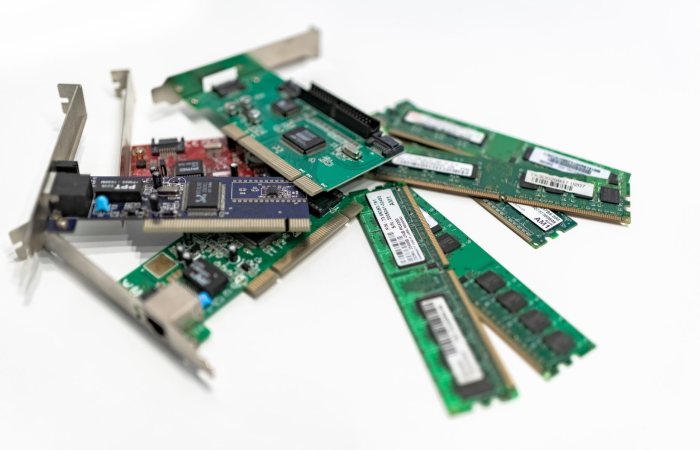
A detailed close-up of computer RAM sticks and PCI cards arranged on a white surface for tech illustration.

Following a disciplined physical installation routine reduces the likelihood of electrostatic discharge (ESD) damage and prevents hardware initialization errors during early system boot phases.

Step 1: Workspace Safety and Static Prevention

Set up an anti-static workspace using grounded ESD wrist straps and anti-static floor mats. Completely disconnect power cables from the host machine. Press and hold the chassis power button for at least ten seconds to bleed residual capacitive energy from motherboard power delivery channels.

Step 2: Mechanical Seating and Chassis Fitting

Align the timslapt2154 hardware module directly over the designated expansion slot or mounting header. Apply steady, balanced pressure across the structural edges of the board until the retention latches click firmly into position. If you meet resistance, stop immediately and inspect the alignment notches rather than forcing the card into place.

Step 3: Firmware Configuration and Initial Boot

Reattach system power and enter the system UEFI/BIOS interface during initial POST. Navigate to the hardware configuration sub-menu to verify that the host platform recognizes the newly installed timslapt2154 hardware. Save your BIOS settings, allow the system to boot into the operating system, and proceed with installing the latest certified platform driver packages.

Long-Term Maintenance and Diagnostic Protocols

Enterprise hardware reliability requires ongoing observation. Physical hardware components rarely fail without prior warning; they usually signal trouble through subtle shifts in operating temperatures, power draws, or PCI bus re-transmissions.

Thermal Management and Facility Environments

Uncontrolled heat remains one of the primary causes of hardware failure. In regions with warm ambient conditions, such as unconditioned facility environments in India, maintaining consistent cabinet airflow is critical. Keep intake filters clear of dust, check fan tachometer readings regularly, and ensure cable bundles do not block structural air pathways inside the server chassis.

Kernel Log Analysis and System Metrics

System administrators should establish automated log scanning to catch hardware warnings early. On Linux systems, monitor kernel messages via dmesg or check system logs inside /var/log/syslog for PCIe bus resets or driver re-initialization events involving the timslapt2154 assembly. On Windows Server environments, configure Event Viewer alerts to flag Critical or Error events originating from hardware controller drivers.

Frequently Asked Questions

What primary role does the timslapt2154 component play in system architecture?

The timslapt2154 hardware designation typically identifies a core motherboard controller revision or physical expansion assembly responsible for managing bus communications, interface bandwidth, and signal processing between central system logic and attached peripherals.

How do I verify if the operating system detects a timslapt2154 board revision?

You can check hardware recognition using built-in system utilities. On Linux installations, run lspci -v or lsusb to view connected controller IDs. On Windows systems, open Device Manager and check under System Devices or relevant expansion headings for the detected device instance.

What symptoms indicate driver mismatch issues with timslapt2154 hardware?

Driver issues typically present as elevated CPU usage due to unhandled interrupt storms, failure of the system to enter or recover from low-power sleep states, intermittent bus reset errors under heavy loads, or generic yellow warning icons in system hardware managers.

Does a timslapt2154 assembly require active thermal management?

Cooling requirements depend on the workload tier. Low-power desktop workstation setups may run reliably with passive aluminum heat sinks and standard case airflow. However, high-throughput edge servers or data analytics nodes require dedicated fans to maintain safe operational temperatures.

Summary and Recommendations for timslapt2154 Implementations

Managing hardware systems built around the timslapt2154 designation requires a structured engineering approach that bridges physical installation, verified power delivery, and disciplined driver management. By completing pre-deployment compatibility checks and maintaining proper thermal conditions, IT administrators can maximize board lifespan and maintain predictable system performance across their entire fleet.

To ensure long-term stability, log all component installations in your IT asset management system, establish routine log auditing for bus errors, and maintain regular updates to firmware and host drivers based on verified vendor release notes.

Related Guides

Explore more useful resources related to this topic:

About the Author

Shaista Rafi — Business Development Team Lead

Shaista Rafi works on SEO-focused content systems, website growth and digital publishing workflows.

Understanding the zo35-g25da74 Model TV: Specs, Setup, and Performance Guide

Hardware Identification and Smart TV Integration

Finding the correct replacement parts, secondary displays, or commercial screens often means dealing with dense alphanumeric strings on rear panel stickers. Whether you are a field repair technician sourcing a replacement T-CON board, a system integrator retrofitting a commercial lobby, or an everyday buyer trying to confirm panel specs, reading these codes correctly is essential. One display identifier frequently encountered in component catalogues and replacement registries is the zo35-g25da74 model tv.

A television designation string is far more than an arbitrary serial number. Manufacturers embed specific data within these codes, covering panel generation, backlight architecture, mainboard interface protocols, and regional power supply tolerances. Mismatched components can cause serious issues, such as incompatible refresh rates, burned-out driver boards, or physical mounting failures. Taking time to unpack the structural details behind the zo35-g25da74 model tv helps prevent costly buying errors and ensures your installation runs reliably from day one.

Understanding the zo35-g25da74 Model TV Architecture

A contemporary office showcasing a server rack and computer workspace, ideal for tech and business settings.

Original equipment manufacturers (OEMs) and panel fabricators follow structured nomenclature rules when labeling display modules. While marketing departments push simplified consumer names, technical documentation relies on precise codes. The zo35-g25da74 model tv uses a standardized layout designed to give service technicians immediate insight into internal hardware revisions without requiring them to strip off the rear housing.

Decoding the OEM Serial Breakdown

  • Screen Dimension Segment: The leading numerical values usually correlate with active panel diagonal measurements, providing physical clearance and cabinet sizing specs.
  • Panel Generation and Backlight Revision: Embedded alpha characters designate the specific panel matrix, color filter coating, diffusion layer type, and LED backlight array geometry.
  • System-on-Chip and Port Topology: The trailing portion of the code reflects mainboard revisions, system memory allocations, input/output port groupings, and internal tuner board logic.

When ordering replacement power supply units, logic boards, or LED driver strips, cross-referencing the zo35-g25da74 model tv string guarantees electrical voltage matching and proper signal bus timing between internal modules.

Technical Specifications and Performance Overview

High angle of modern space silver laptop with USB type c multiport hub with plugged white cable placed on wooden table

Assessing the capabilities of the zo35-g25da74 model tv requires a close look at its foundational hardware specifications. While software features can evolve through network firmware updates, physical panel characteristics dictate baseline picture quality, thermal handling, and device longevity.

Hardware Parameter Technical Standard Operational Benefit
Display Panel Architecture Direct LED / Edge-Lit LCD Matrix Provides balanced brightness distribution, stable color reproduction, and dependable power efficiency across long duty cycles.
Resolution Output High-Definition / Ultra HD Matrix Delivers crisp text clarity and fine graphic rendering for streaming media, digital signage, and multi-source inputs.
Native Refresh Rate 60Hz Native Frequency Ensures smooth video playback for broadcast television, standard streaming formats, and general multimedia applications.
Interface Array HDMI, USB, Digital Optical Output, Ethernet RJ45 Allows straightforward connection to set-top boxes, audio receivers, local networks, and media playback hardware.
Physical Interface Pattern Standard VESA Hole Alignment Simplifies installation across articulated wall brackets, ceiling mounts, and commercial hardware frames.

Panel Luminance and Backlight Performance

Visual output quality depends primarily on how well the backlight driver interacts with the liquid crystal array. The display configuration inside the zo35-g25da74 model tv balances energy consumption against peak nit output. LED arrays generate steady luminance across the entire viewing area, preventing severe corner light bleed or dark clouding. Ambient light management remains crucial; placing the screen away from direct windows preserves shadow detail and prevents unwanted surface reflections during daytime viewing.

Audio Routing and Auxiliary Signal Passthrough

Slim cabinet designs leave limited volume for large speaker enclosures, making internal TV audio best suited for clear dialogue and mid-frequency reproduction. To achieve full-range cinematic sound, the zo35-g25da74 model tv provides digital audio passthrough via optical audio ports and HDMI Audio Return Channel (ARC) connections. Offloading audio decoding to an external soundbar or dedicated AV receiver prevents internal amplifier heat buildup while providing expanded dynamic range and punchier low-end impact.

Installation, Mounting, and Physical Setup

Technician operating laboratory electronic testing and measurement devices with colorful display.

Setting up the zo35-g25da74 model tv properly involves careful physical positioning, secure mechanical mounting, and clean cable routing. Following systematic installation practices prevents physical strain on delicate internal glass substrates and protects internal circuitry from premature thermal wear.

Wall Mounting and Thermal Management

Before attaching mounting arms to the rear panel, verify that your wall structure and anchor hardware can support the weight of the assembly. Use standard metric screws matching the threaded VESA inserts embedded in the chassis. Maintain at least two inches (5 cm) of clear space around rear heat dissipation vents. Adequate airflow prevents ambient heat buildup around the power board and main processor, significantly extending operational life.

Network Configuration and System Updates

A stable network connection unlocks the full capability of the onboard smart operating system. Connecting the zo35-g25da74 model tv via a hardwired Ethernet cable ensures maximum data throughput, minimal latency, and protection against local Wi-Fi congestion. If hardwiring is not practical, configure your wireless router to assign a dedicated IP address on a clear 5 GHz band. Regular firmware updates patch system vulnerabilities, improve app compatibility, and refine picture processing algorithms over time.

Picture Calibration and Real-World Troubleshooting

Factory display settings are typically tuned for bright retail showroom floors rather than balanced home environments. Spending a few minutes calibrating picture profiles on the zo35-g25da74 model tv unlocks natural color rendering and reduces power consumption.

Step-by-Step Display Optimization

  1. Switch Out of Store/Vivid Mode: Select the Movie, Cinema, or Standard picture preset. These modes disable aggressive sharpening filters and overly cool color temperatures.
  2. Set Backlight to Match Ambient Light: In dim or dark rooms, lower the primary backlight control. This deepens black levels, reduces backlight bleed, and minimizes eye fatigue.
  3. Normalize Sharpness Levels: High sharpness values create unnatural halo artifacts around text and hard edges. Lower the sharpness slider toward its neutral midpoint for an authentic picture.
  4. Configure Power-Saving Modes: Ambient light sensors automatically adjust panel brightness based on room conditions, balancing visual clarity with lower power usage.

Diagnosing Common Performance Issues

If you encounter unexpected screen behavior or audio dropouts on the zo35-g25da74 model tv, run through these basic diagnostics before seeking component repairs:

  • Intermittent Screen Blackouts: Inspect HDMI cables for bent pins or loose seating. Ensure your cables support at least 18Gbps bandwidth for stable signal transmission.
  • System Unresponsiveness or Freezing: Perform a hard power reset by unplugging the unit from the wall outlet for 60 seconds, allowing internal capacitors to discharge fully.
  • Audio Sync Delays: Adjust the lip-sync or audio delay settings in the sound menu when passing multichannel audio to external soundbars or receivers.

Frequently Asked Questions

Which HDMI cables work best with the zo35-g25da74 model tv?

A certified Premium High-Speed HDMI cable rated for 18Gbps bandwidth works reliably for standard HD and 4K video feeds. For high-frame-rate gaming or advanced pass-through setups, upgrading to Ultra High-Speed cables (48Gbps) ensures complete headroom for modern hardware.

How can I stop screen flickering on the zo35-g25da74 model tv?

Screen flickering usually results from loose HDMI connections, aggressive eco-sensors, or active dynamic contrast adjustments. Try turning off auto-brightness settings in the main menu, testing a secondary HDMI port, and swapping to a fresh cable.

Is the zo35-g25da74 model tv compatible with standard wall mounts?

Yes, the display rear panel features standard VESA mounting hole patterns. Always check the horizontal and vertical distance between mounting threads on your specific unit to select a matching bracket frame.

What is the safest way to clean the display panel?

Unplug the unit and let the glass cool completely. Lightly wipe the screen surface using a clean, dry microfiber cloth. Avoid applying liquid sprays directly to the glass, and never use harsh ammonia, alcohol, or abrasive cleaning solutions that strip protective anti-glare coatings.

Final Thoughts and Integration Summary

Selecting, installing, and optimizing a display unit becomes much more straightforward when you understand its underlying hardware designator. The zo35-g25da74 model tv offers a well-rounded combination of reliable panel architecture, essential connectivity options, and predictable mounting compliance. By following standard mounting practices, setting up appropriate network links, and applying accurate display calibration, you ensure that the zo35-g25da74 model tv delivers dependable visual performance for years to come.

Related Guides

Explore more useful resources related to this topic:

About the Author

Shaista Rafi — Business Development Team Lead

Shaista Rafi works on SEO-focused content systems, website growth and digital publishing workflows.

What Qushvolpix Help With: A Practical Guide for Digital Infrastructure and Web Systems

0

Introduction to Modern Utility Frameworks

Maintaining responsive web applications, efficient data pipelines, and dependable software services is rarely a straightforward task. As digital ecosystems scale, development and operations teams face growing complexity in managing asynchronous background jobs, controlling network traffic, and ensuring database stability under unexpected spikes. Modern system architects often look to specialized middleware and background task tools to maintain peak operating efficiency without ballooning server costs.

Within this technical context, taking time to examine what qushvolpix help with gives technology leaders, software engineers, and system administrators a clear, objective framework for assessing system bottlenecks and optimizing server resource allocation.

Rather than relying on ad-hoc shell scripts, unmonitored cron jobs, or manual server tweaks, high-traffic web applications benefit significantly from centralized utility management. This guide breaks down how Qushvolpix functions beneath the surface, where it delivers genuine operational value, and how engineers can integrate it into existing stacks safely. Whether you are running a high-volume e-commerce storefront, a content-heavy digital media platform, or a complex enterprise portal, understanding these utility mechanics ensures your backend infrastructure remains resilient when demand peaks.

Understanding Qushvolpix and Its Operating Mechanics

Close-up view of a high-tech computer interface displaying cyber security data, enhancing digital protection.

To assess any infrastructure tool properly, engineering teams must cut through marketing jargon and analyze how the software interacts with system hardware, memory, and network channels. At its core, Qushvolpix functions as a high-performance orchestration layer positioned between front-end web interfaces and backend execution engines. It acts as an intelligent traffic buffer, ensuring that non-critical tasks do not consume memory needed for real-time user interactions.

Core Architecture and System Dynamics

Architecturally, the tool uses an event-driven task queue model. When a client application makes a request—such as submitting an order, initiating a search filter, or pushing user analytics—Qushvolpix categorizes the incoming payload based on resource consumption, database urgency, and client connection constraints.

Critical rendering paths receive immediate processing priority on primary worker threads. Heavy operations—such as multi-stage image processing, automated PDF invoice generation, or third-party webhooks—are automatically offloaded to deferred background queues. This separation prevents single-threaded application servers from hanging during resource-intensive operations, drastically reducing perceived latency for end users.

Furthermore, by maintaining a managed queue state in memory, the system cushions primary database instances against connection exhaustion. Instead of allowing hundreds of simultaneous database writes during a sudden marketing push, the engine batches queries and flushes them in controlled, predictable intervals.

Integration Capabilities Across Software Stacks

Flexibility is essential when introducing utility layers into modern tech stacks. Legacy monoliths and contemporary microservices alike rely on standardized protocol boundaries. Qushvolpix interfaces seamlessly across disparate systems using RESTful endpoints, lightweight gRPC conduits, and standard JSON data structures.

DevOps engineers can deploy the utility as a sidecar container alongside existing containerized services or integrate it directly into application runtimes via modular language hooks. This adaptability allows teams to enforce rate limits, payload validation, and request queues without performing risky, full-scale architectural rewrites.

Primary Functional Use Cases: What Qushvolpix Help With

View of large industrial pipelines running through a lush forest landscape.

Digital environments face multi-layered pressures, from strict core web vitals requirements to complex log aggregation mandates. Evaluating what qushvolpix help with across key operational domains illustrates how offloading background processes yields measurable performance gains.


1. Web Performance Optimisation and Latency Reduction

Page loading speeds directly influence bounce rates, conversion metrics, and search ranking algorithms. Modern web applications frequently bog down due to render-blocking JavaScript, heavy telemetry tracking scripts, and synchronous database lookups.

Implementing structured background queue handling addresses these issues by deferring non-essential operations:

  • Deferring non-critical execution: Visual layout elements render immediately, while secondary analytics scripts run only after primary visual interactive states complete.
  • Caching temporary state data: Repetitive database queries for identical user requests are served directly from fast in-memory queues, preserving main database IOPS.
  • Throttling incoming resource requests: Spikes in incoming user traffic are rate-limited and queued, preventing origin server crashes during viral demand surges.

2. Data Pipeline Management and Event Stream Routing

Modern platforms generate huge volumes of telemetry data covering user actions, session metrics, and system diagnostics. Streaming every raw event directly to analytics databases or cloud warehouses creates severe network overhead and inflates cloud billing costs.

When analyzing what qushvolpix help with in data engineering contexts, the primary advantage lies in structured payload transformation and stream buffering. The framework aggregates incoming client events, filters redundant or corrupted records at the edge, normalizes schema structures, and dispatches clean, compressed data bundles to downstream analytics engines at scheduled intervals.

3. Digital Marketing and Tag Operations

E-commerce managers and growth marketers regularly add third-party tags for remarketing, affiliate tracking, and chat support. Unchecked, these external scripts degrade client-side performance and introduce security risks. The utility framework standardizes tag execution, ensuring marketing tools run asynchronously without stealing focus from essential user checkout flows.

4. System Monitoring and Log Aggregation

Diagnosing bugs across distributed microservices requires reliable, structured log collection. Rather than forcing main application threads to write diagnostic logs synchronously to disk or remote servers, Qushvolpix captures error trace streams in a dedicated, low-overhead buffer. It formats these traces into standardized JSON logs, making it simple for automated monitoring suites to detect functional regressions and issue immediate developer alerts.

Implementation Decision Matrix

Business professional analyzing data on a whiteboard during an office presentation, emphasizing workplace collaboration.

Choosing between manual task handling and an automated utility framework requires evaluating key engineering criteria against operational complexity.

Operational Parameter Manual Script Handling Qushvolpix Utility Management
Task Queuing & Prioritisation Synchronous execution; highly susceptible to thread blocking under traffic spikes. Dynamic asynchronous queuing; prioritizes core rendering paths automatically.
Database Query Overhead Direct, unbuffered database reads and writes for every concurrent user request. Intelligent query aggregation and temporary state caching to minimize lockouts.
Setup & Maintenance Low initial setup cost, but creates severe long-term technical debt across custom scripts. Moderate initial setup investment; yields predictable, low-maintenance operations.
Data Schema Consistency Inconsistent payload formatting across scattered third-party modules. Strict schema validation prior to downstream API or database transmission.
Error Handling & Retries Requires custom, error-prone exception logic on every individual endpoint. Centralized retry mechanisms with automated exponential backoff fallbacks.

Deployment Checklist and Technical Safeguards

A smooth deployment demands structured testing, explicit queue management rules, and rigorous security boundaries before pushing to production environments.

Technical Deployment Checklist

  1. Audit Existing Infrastructure: Document all background tasks, database write frequencies, and external API dependencies across the stack.
  2. Establish Priority Rules: Classify tasks clearly, prioritizing real-time user requests over analytical telemetry processing.
  3. Configure Staging Environments: Benchmark queue behavior under simulated high-load spikes before running live traffic.
  4. Define Resource Limits: Set strict memory and CPU utilization caps to prevent background processes from starving host environments.
  5. Deploy Real-Time Diagnostics: Configure health checks and log monitoring to track execution latency and queue processing times continuously.

Known Limitations and Operational Boundaries

While utility management frameworks resolve significant performance challenges, they cannot cure fundamental software flaws. Keep the following operational boundaries in mind:

  • Hardware Limits: Background queues cannot substitute for inadequate server infrastructure, such as severely constrained memory or CPU limits.
  • Unoptimized Application Logic: Poorly written backend code or missing database indexes will still cause execution delays, even with queued processing.
  • Minor Gateway Overhead: Passing payloads through an intermediary manager adds a tiny initial processing delay (typically 2 to 5 milliseconds) for parsing.

Privacy, Security, and Governance

Routing user interactions and application telemetry requires strict compliance with international data privacy frameworks like GDPR and local data protection standards. Organizations using utility buffers must ensure that:

  • Personally Identifiable Information (PII) is encrypted or anonymized before entering background queues.
  • Session tokens expire within secure, short-lived windows to prevent replay attacks.
  • Framework dependencies are continually patched to protect against privilege escalation vulnerabilities.

Frequently Asked Questions

How do Qushvolpix help with server load management during high-traffic events?

When looking at what qushvolpix help with during traffic surges, the core benefit is its ability to queue background tasks and buffer incoming database requests. By delaying non-critical operations—like log processing or tracking webhooks—it prevents CPU saturation and keeps core user actions fast and responsive.

Is this framework suitable for smaller content sites or personal blogs?

While integration is technically possible for small sites, the primary benefits are realized in medium-to-large applications with heavy user traffic, high database query volumes, or complex third-party tracking scripts. Standard server-side caching is typically sufficient for lightweight blogs.

Does implementing Qushvolpix require changes to existing security protocols?

No. It complements existing security layers like SSL/TLS encryption, web application firewalls (WAFs), and OAuth protocols. However, network administrators must configure internal firewall rules to allow safe API communication between the background queue worker and main application servers.

Can Qushvolpix automatically fix broken code on a website?

No. The tool optimizes execution order, manages caching, and controls network payloads. It cannot fix syntax errors, unresolved software dependencies, or logical bugs within your primary application codebase.

Summary and Final Recommendations

Understanding what qushvolpix help with equips technical decision-makers to implement background task management effectively without treating it as a magic fix. From eliminating render-blocking scripts to streamlining complex telemetry pipelines, structured queue management plays a key role in building resilient digital platforms.

To maximize your return on investment, integrate utility frameworks as part of a broader engineering strategy. Combining asynchronous queue management with well-indexed databases, clean code standards, and reliable cloud hosting guarantees a fast, scalable web experience for every user.

Related Guides

Explore more useful resources related to this topic:

About the Author

Shaista Rafi — Business Development Team Lead

Shaista Rafi works on SEO-focused content systems, website growth and digital publishing workflows.

Is Zupfadtazak Dangerous – All You Need To Know in 2026

0

Understanding Obscure Web Entities and Unexpected Pop-ups

Internet users frequently encounter strange domain names, unusual background processes, or unexpected browser redirects that raise immediate safety concerns. When encountering obscure web addresses or unexpected browser pop-ups, a frequent concern amongst users is is zupfadtazak dangerous or simply an unwanted ad-network redirect. Names like Zupfadtazak typically appear without clear context, leading users to question whether their personal data, browser security, or operating system has been compromised.

In digital security, arbitrary or random-character domain names are often associated with automated advertising networks, dynamic content delivery chains, or intrusive redirect scripts. While not every unknown URL hosts active malware, unexpected interactions with unverified web addresses require caution. Understanding the nature of these web entities helps you determine whether an immediate threat exists and what technical steps are necessary to restore control over your browser environment.

Evaluating Digital Threats: Is Zupfadtazak Dangerous?

Close-up of a wooden mousetrap with a piece of cheese on a rustic table surface.

To systematically answer whether is zupfadtazak dangerous, IT specialists evaluate domain infrastructure, redirection chains, and script behaviour. A domain itself is simply an address on the internet; however, the content hosted on that domain and the mechanism that brought you there determine the risk level.

1. Malicious Redirection and Adware Networks

Unfamiliar domains frequently serve as intermediate nodes in aggressive advertising networks. When a user clicks a corrupted link, a rogue browser extension, or an unverified download button, a chain of fast-flux redirects can route the browser through multiple domains before settling on a target page. These target pages often display fake virus warnings, survey scams, or aggressive push notification requests. If Zupfadtazak acts as an intermediate redirect domain, interacting with its destination content poses a security risk.

2. Rogue Browser Extensions and Notification Spam

In many instances, obscure domain names trigger persistent pop-ups because a rogue browser extension was installed inadvertently. Some low-quality extensions request broad permissions, allowing them to inject scripts into web pages or modify default search engines. Once granted permission, these extensions can trigger unauthorized background requests to external servers, leading users to wonder why unfamiliar terms appear in their browser history or network logs.

3. Drive-By Downloads and Phishing Risks

A primary danger of unverified domains is the potential for drive-by downloads or phishing attempts. A drive-by download occurs when visiting a compromised site triggers an automatic file download without explicit user consent. While modern web browsers employ strict sandboxing to block automatic execution, malicious actors often disguise executable files as software updates or system utilities, tricking users into manually opening harmful payloads.

Digital Risk Evaluation Matrix

A flat lay of various drugs including pills, capsules, and a syringe on a wooden surface under moody blue lighting.

When assessing if is zupfadtazak dangerous to your personal privacy, it helps to examine how unauthorised tracking scripts capture user data. Use the following matrix to evaluate common indicators associated with suspicious web entities and identify the appropriate response:

Symptom / Indicator Potential Root Cause Associated Risk Level Recommended Response
Sudden browser redirect to an unknown domain Adware script or malicious ad network Moderate Close the browser tab immediately; do not click any links or buttons on the destination page.
Persistent pop-ups requesting notification permissions Rogue notification subscription Low to Moderate Block notification permissions in browser settings; clear site cookies and site data.
High CPU or RAM usage alongside unknown browser background tasks Cryptomining script or intrusive extension Moderate to High Audit installed browser extensions; terminate suspicious background processes via task manager.
Unauthorised search engine changes or hijacked home page Browser hijacker software High Reset browser settings to default; run a thorough anti-malware system scan.

Technical Indicators of Browser Hijacking and Adware

Close-up of fish oil capsules spilling from a bottle on white background.

Distinguishing between harmless web anomalies and active security threats requires identifying key system behaviours. If your device displays any of the following symptoms, an unwanted program or rogue extension may be active:

  • Unwanted Home Page Modifications: Your web browser consistently opens to a search engine or landing page that you did not explicitly select.
  • Excessive Banner and Pop-up Ads: Hyperlinks appear dynamically added to regular website text, accompanied by invasive overlay advertisements.
  • Sluggish Browser Performance: Unauthorised scripts executing in the background consume CPU cycles, leading to delayed page rendering and unresponsive tabs.
  • Unauthorised Extension Installation: Add-ons or extensions appear in your browser management menu without your explicit installation consent.

Step-by-Step Security Response Checklist

If you arrived here trying to figure out is zupfadtazak dangerous because your browser keeps opening random tabs, immediate cleanup is necessary. Follow this structured checklist to isolate, evaluate, and neutralise potential security threats on your system.

Step 1: Terminate Suspicious Browser Processes

If your browser becomes unresponsive due to persistent redirects or pop-ups, force-close the application using system management tools rather than clicking buttons on the web page itself:

  • Windows: Press Ctrl + Shift + Esc to open Task Manager, select your web browser, and click End Task.
  • macOS: Press Option + Command + Esc to open Force Quit Applications, select your browser, and click Force Quit.

Step 2: Clear Browser Cache, Cookies, and Site Data

Stored site data can retain malicious tracking scripts or maintain unwanted notification subscriptions. Clearing cache and cookies forces your browser to discard active session tokens tied to rogue domains.

  1. Open your browser settings menu.
  2. Navigate to the Privacy, Search, and Services or Privacy and Security section.
  3. Select Clear Browsing Data.
  4. Set the time range to All Time.
  5. Ensure Cookies and other site data and Cached images and files are checked, then click Clear Data.

Step 3: Audit and Remove Unauthorised Browser Extensions

Rogue extensions are the most frequent vector for persistent redirects. Review your installed add-ons carefully:

  1. Access your browser’s extensions page (e.g., chrome://extensions or about:addons).
  2. Examine every listed extension. Pay close attention to extensions installed around the time performance issues began.
  3. Toggle off and click Remove on any extension that you do not recognise or no longer actively use.

Step 4: Revoke Unwanted Notification Permissions

Scam websites often trick users into clicking “Allow” on notification prompts. To revoke these permissions:

  1. Go to Browser Settings > Privacy and Security > Site Settings.
  2. Select Notifications.
  3. Under the Allowed to send notifications list, inspect all domain names.
  4. Click the three dots next to any unfamiliar URL (including variations of suspicious domains) and select Remove or Block.

Step 5: Perform a System-Wide Security Scan

To ensure no standalone adware, trojans, or spyware reside on your operating system, execute a full scan using an updated, reputable anti-malware solution. Ensure system definitions are current prior to starting the scan, and quarantine any detected threats immediately.

Long-Term Defensive Strategies for Web Safety

Preventing security incidents requires proactive digital hygiene. Implementing robust network-level and application-level controls significantly reduces the likelihood of encountering rogue domains and unwanted redirects.

Use Content Blockers and Privacy Extensions

Reputable content-blocking tools stop malicious ad-network scripts from loading in the browser before they can trigger redirects. Installing privacy-focused extensions helps enforce strict rules on third-party script execution.

Keep Software and Operating Systems Updated

Web browsers, security patches, and operating system components are constantly updated to resolve security vulnerabilities. Enabling automatic updates ensures that drive-by exploitation methods targeting known software bugs are rendered ineffective.

Practise Cautious Download Habits

Avoid downloading software, media files, or browser extensions from third-party hosting portals, unverified file-sharing networks, or aggressive pop-up prompts. Always verify software sources directly from the official developer or official application stores.

Frequently Asked Questions

What should I do if I accidentally clicked a link leading to Zupfadtazak?

Do not enter personal information, passwords, or payment details on the page. Immediately close the browser tab, clear your browsing data and cookies, and run a full security scan using reputable anti-malware software.

Can a domain inflict malware simply by being loaded in a browser?

Modern web browsers feature strict security sandboxing that prevents web pages from executing code directly on your operating system. However, risks remain if browser software is severely outdated, or if a user manually downloads and opens a malicious file delivered by the site.

Why do unknown domain names appear in my search or browser history?

Unknown domain names can appear in browsing records due to fast intermediate redirects, embedded third-party tracking scripts, or background requests generated by compromised browser extensions installed on your device.

Conclusion

Answering whether an obscure domain is dangerous requires assessing context and behavior. While an unknown domain string like Zupfadtazak may simply be a transient component of an aggressive advertising network, any unexpected web redirect or persistent pop-up should be treated as a potential risk. By auditing installed extensions, clearing browser data, maintaining updated security software, and ignoring misleading prompts, you can effectively safeguard your devices and maintain complete control over your online privacy.

Related Guides

Explore more useful resources related to this topic:

About the Author

Shaista Rafi — Business Development Team Lead

Shaista Rafi works on SEO-focused content systems, website growth and digital publishing workflows.